 Doctor's Column
 Staff Blog
 campaign
 News
News





2025.11.21
epicanthus
I don't know which method to choose, the VY method or the inverse Z method.

Dr Kuroda
In consultation of mongolian fold formation,
"I don't know which technique is right for me, the VY or the inverted Z, and I can't decide."
We often hear people say, "I'm not sure I can do this.
In this article, I will explain what I explain in response to the requests I often hear in counseling.
CONTENTS
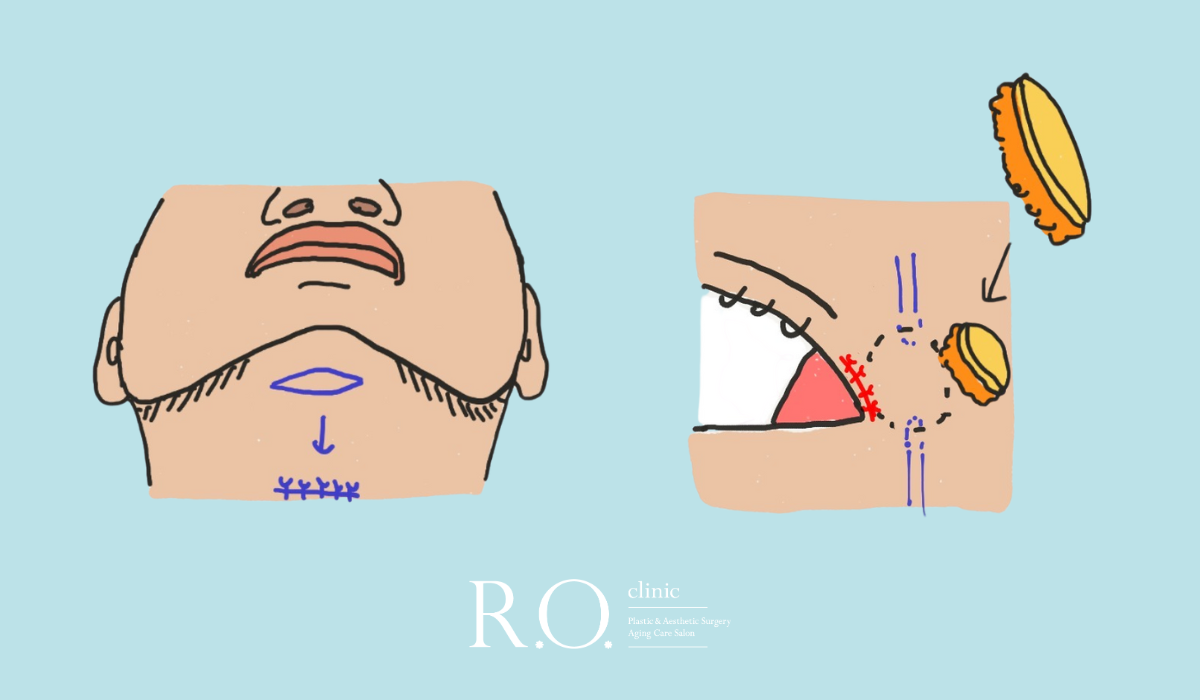
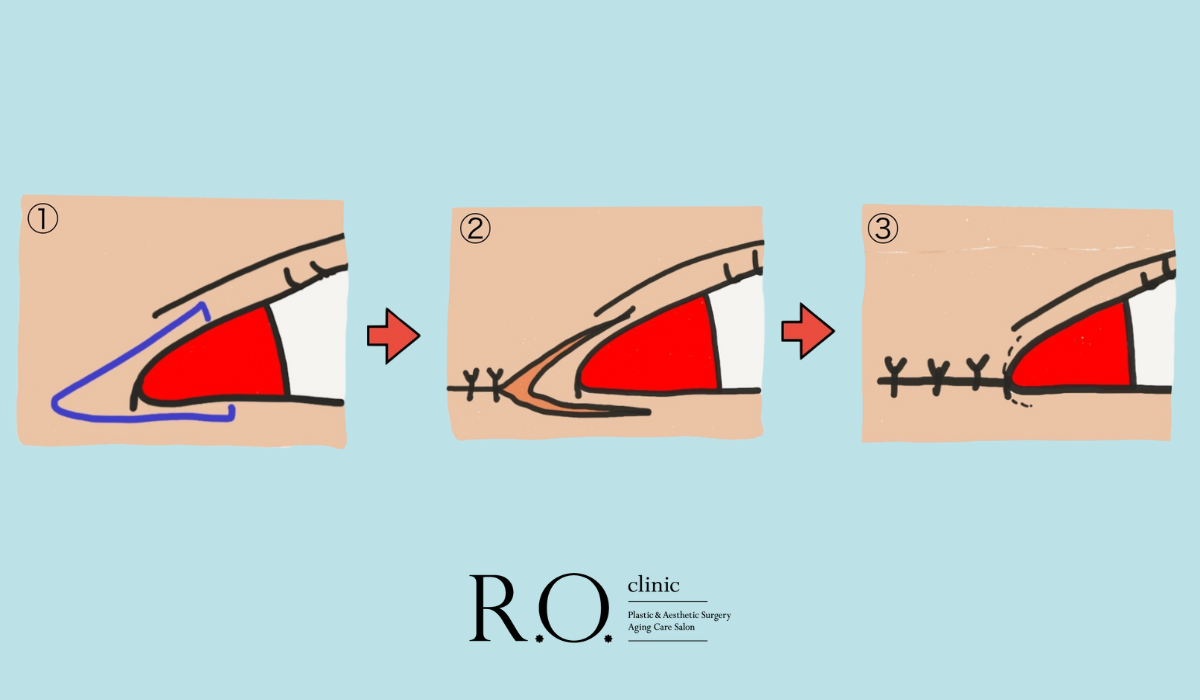
VY method
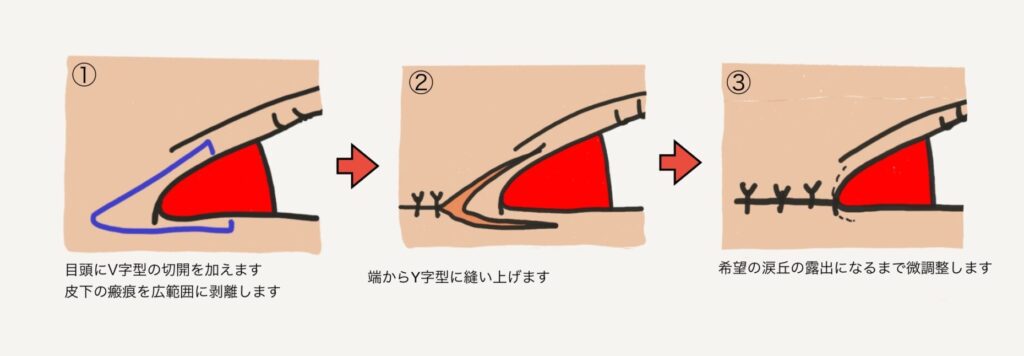
For more information on the technique,Past Columnsfor more information.
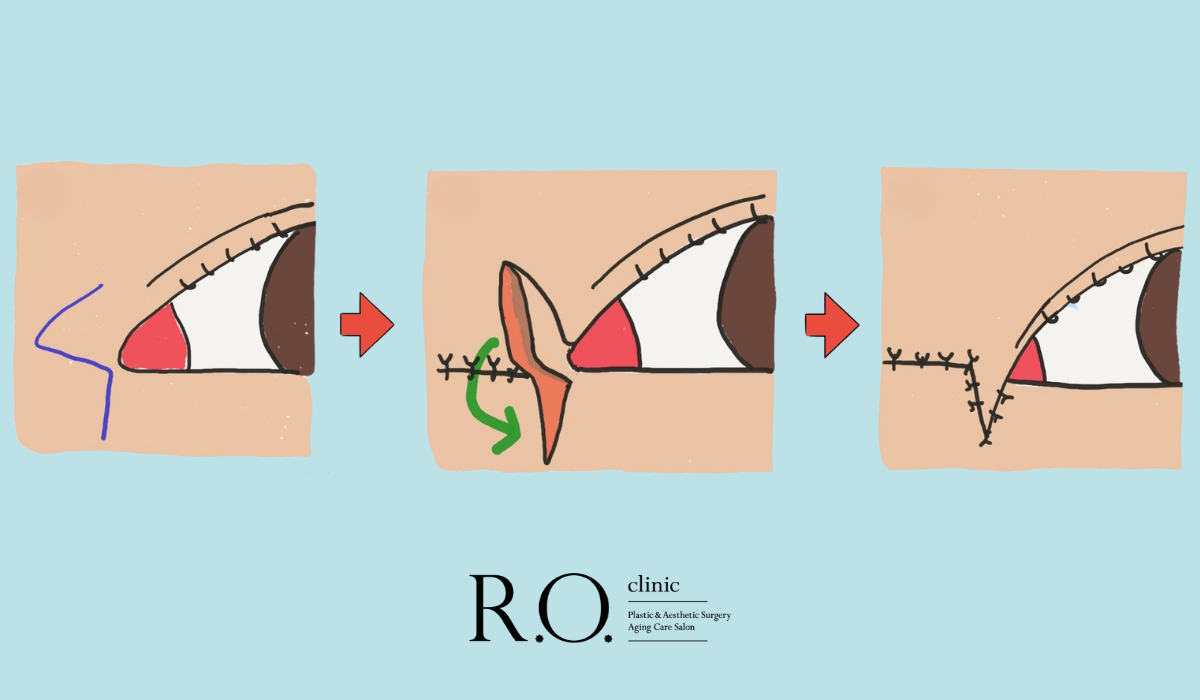
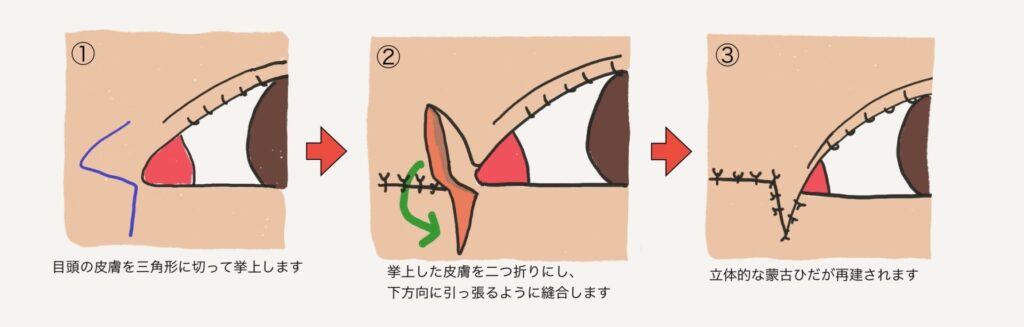
inverse Z method
I want my eyes back to the way they were before the craniotomy."
→ Inverse Z method
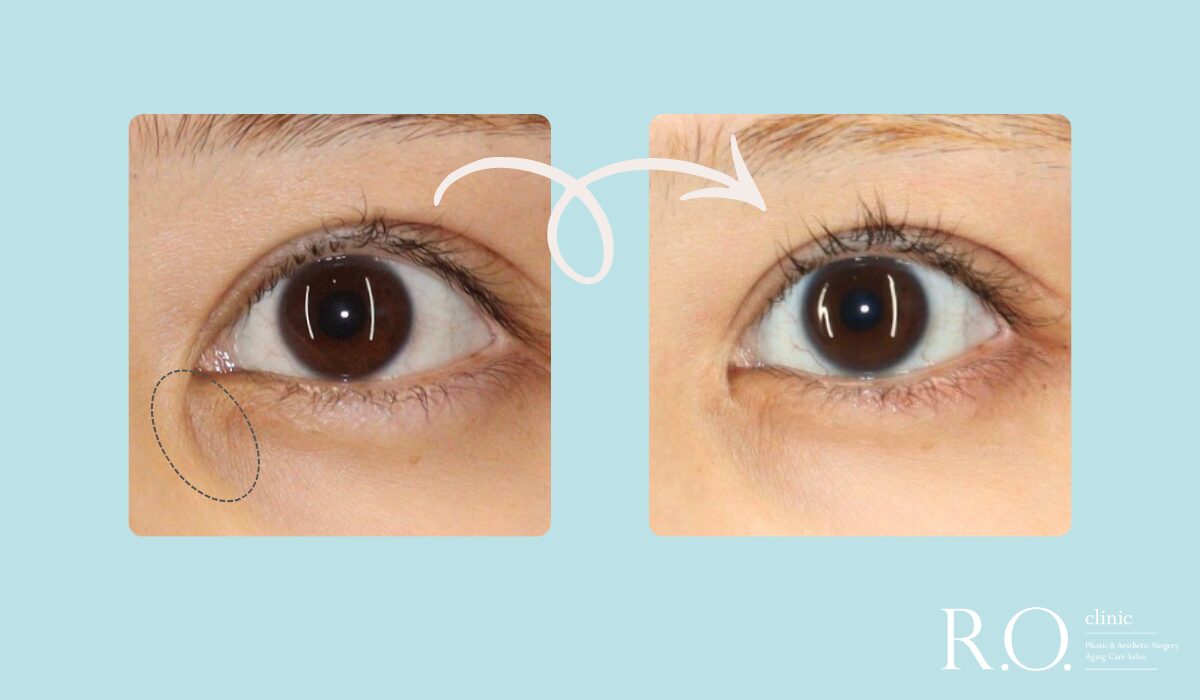
The majority of Japanese people have Mongolian folds of varying sizes. When a person with a large mongolian fold undergoes a craniotomy, he or she will have a refined look, but may feel that the original cranial fold would have been better. Even if there is no problem with the result of the craniotomy, there are people who feel that way. In many cases, the Mongolian folds cover the lachrymal folds in a three-dimensional manner, so the Inverse Z Method is often indicated to "restore the original eye area. In cases where an incision is made around the eyes where the mongolian folds do not cover the eyes well, the VY method may be indicated.
I have a feeling that the tear ducts will be more exposed and uncomfortable after the incision. But I don't want to go back to having eyes with tight mongolian folds."
→VY method
In the VY method, it is possible to narrow the appearance of the tear ducts while retaining some of the shape of the mongolian folds that were removed by the craniotomy. The VY method is recommended for those who do not want to go back to the original eye area, but also feel uncomfortable with the current eye area.
I want to adjust the exposure of the lacrimal folds by millimeters."
→VY method
[Explanation] With the VY method, you can check the finished product yourself during the surgery and adjust the exposure of the lacrimal folds to make them narrower or wider. In the Inverse Z method, once the skin incision is designed and made, there is less freedom for further adjustment. The VY method is recommended for those who wish to adjust the degree of lacrimal duct exposure until they are satisfied with the result.
I want a pointy eye roll."
→ Inverse Z method
Description: In order for the eye socket to appear pointed, the mongolian folds must cover the tear ducts at an angle. This covering of the mongolian folds can be effectively achieved by creating a three-dimensional mongolian fold using the inverse Z method.
In people with a type of lacrimal fold that itself is pointed, a modest VY technique may give a pointed look without being so rounded.
I want to have rounded eyes."
→VY method
Description: The VY method creates the mongolian folds by sewing the skin of the upper and lower eyelids to each other, so it is characterized by a tendency to create rounded eye lids. The VY method is suitable for those who prefer rounded tips of the eye lids.
I'm worried about the scars showing."
→VY method
The VY method is characterized by a smaller scar than other methods of mongolian fold formation. However, please note that this does not mean that there will be no scar at all. Although the length of the scar is inferior to that of the VY method, it does not necessarily mean that the scar is more noticeable. There is a shape of the eye lid that can only be created by the Reverse Z method, so it is important to make a judgment based on comprehensive consideration of other aspects besides the scar.
I want to maintain the parallel double folds even after mongolian folds are formed."
→VY method
Explanation: The VY surgery can be performed in such a way that the effect on the width of the double fold is minimized. If the design is devised, it is possible to perform the VY procedure so that the double width is narrowed.
On the other hand, in the Inverse Z method, the skin from the inner corner of the eye to the upper eyelid is pulled downward, which inevitably narrows the width of the double fold on the inner corner of the eye. If the patient wishes to change from a parallel to a terminal double fold, either the VY or the inverse Z method can be used, depending on the desired shape of the eye socket and the width of the double fold.
I want to get back to the gentle, soft impression of my eyes."
→VY method, reverse Z method
Commentary: Regarding the impression of gentleness or softness, it is a subjective factor, so it is difficult to say which is better. The Inverse Z method is closer to the shape of the natural Mongolian folds and tends to give the eyes a childlike impression characteristic of Asians. On the other hand, even with the VY method, by adjusting the excessively exposed tear ducts to a moderate balance, we are often pleased with the gentle appearance of the eyes. For wishes involving subjective factors, we will determine which method is more suitable on an individual basis.
summary
The VY method and the inverse Z method are two different types of Mongolian fold formation surgeries, each with different characteristics. It does not mean that one technique is superior to the other. It is better to choose the technique that matches your needs.
There are not many doctors who are able to perform both the VY and inverted Z methods in a well-balanced manner. Because we are able to handle both techniques, we are able to make proposals according to each individual's condition, so please come in for a consultation if you are worried about the condition of your eyes after an incision.
Assistant Director Daiki Kuroda
Supervisor of this article
vice president (of a hospital, clinic, etc.)
Daiki Kuroda
OHKI KURODA
Share Article