 Doctor's Column
 Staff Blog
 campaign
 News
News





2023.11.17
Other
Foreign bodies at the tip of the nose

Dr Kuroda
Should I get an osteopole?"
They may be asked for advice.
CONTENTS
What is an Osteopole?
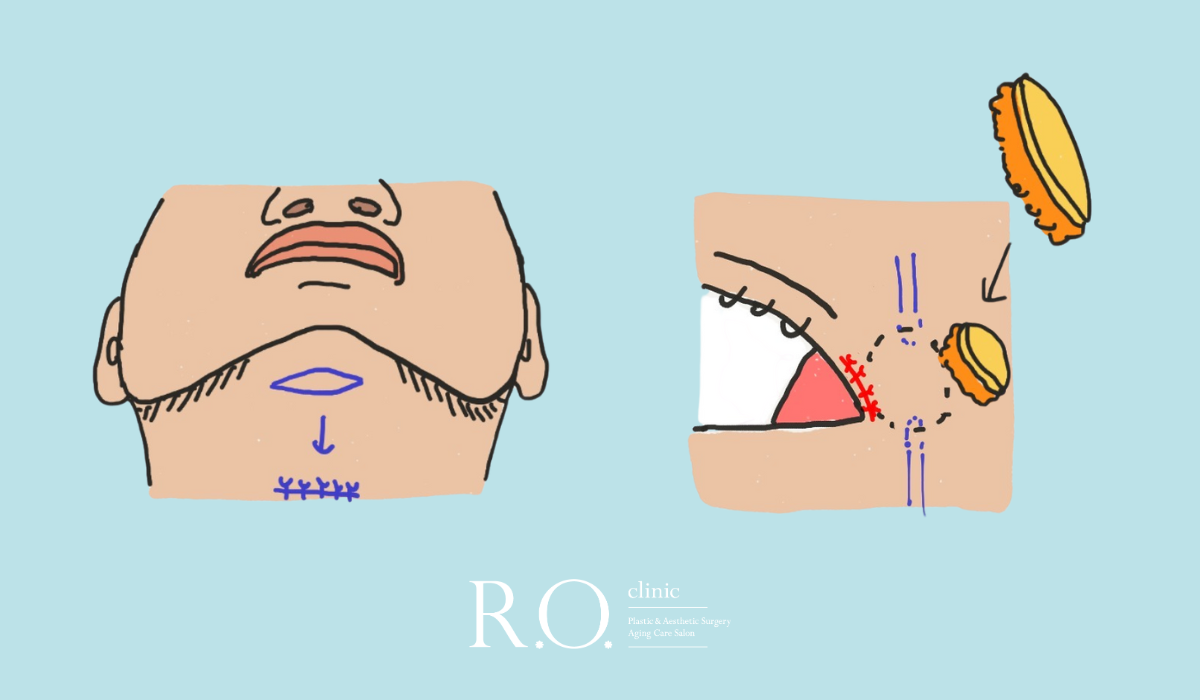
An osteopor is an artificial device inserted for the purpose of creating height at the tip of the nose.
Until a few years ago, this surgery was performed mainly by certain major cosmetic surgeons.
No need to harvest autologous tissue
Short downtime
Safe because it will be replaced by autologous tissue in the future.
and so on, and surgery has been performed.
Although the practice has gone downhill in recent years due to the spread of bad publicity, people who underwent treatment by osteoporosis at that time are concerned and come to us for consultation.
Osteopor is spherical or hemispherical in shape with a diameter of around 7 mm and is made of a substance called PCL (polycaprolactone). PCL is also used as a material for thread lifts and sutures.
If it does not require harvesting autologous tissue, has a short downtime, and will be replaced by autologous tissue in the future, it seems like a very good treatment option. However, only a minority of physicians who perform many nasal surgeries use osteoporosis.
The risks of osteoporosis are said to be
...pop up from within the nasal cavity.
Skin becomes thinner.
Part of the nasal apex is unnaturally convex.
Deformation of the nasal wing cartilage
They claim to be replaced by homegrown tissue, but they haven't been replaced in several years.
Such as.
Popping out of the nasal cavity is a rather early symptom and is often triggered by infection from within the inserted nasal cavity.
The thinning of the skin and the unnatural convexity of some of the nasal apex are due to the shallow layers inserted and the large size of the osteoporosis.
Deformity of the nasal wing cartilage is caused by pressure on the osteoporosis. Normally, when a large graft is placed in the nasal tip, the underlying nasal wing cartilage is reinforced to withstand the pressure by nasal septal extension or nasal apex augmentation. Simply inserting an osteoporosis may be good temporarily, but over time, the nasal wing cartilage will deform and the height of the nasal tip will regress because it cannot withstand the weight of the skin and osteoporosis.
I don't think the fact that it has not been replaced by autologous tissue is that big of a deal, but when you make such claims and then see that it is still in its original form after several years of removal, I think there was a problem with the way it was advertised.
Should I take an osteopole?" I'm not sure about that,
Skin is thinning.
The shape of the tip of the nose is unnatural.
If it is, we recommend that it be removed.
If the above symptoms are not present after a few years, there is no need to remove it. However, if there is concern about future misbehavior, then removal is a good idea.
Case Studies
Extraction surgery is basically an open method. Since the skin at the tip of the nose is thin in many cases, the osteopor is removed by carefully detaching the osteopor to avoid opening a hole in the skin. In most cases, the nasal wing cartilage is deformed due to pressure from the osteoporosis, so suture or cartilage grafting is used to restore the shape of the nasal wing cartilage. In areas where the skin is thinning, autologous tissue such as fascia is grafted and lined so that no indentation remains. If the height of the nasal tip is not to be reduced, autologous tissue such as auricular cartilage is transplanted.
Here are some actual cases of removal.
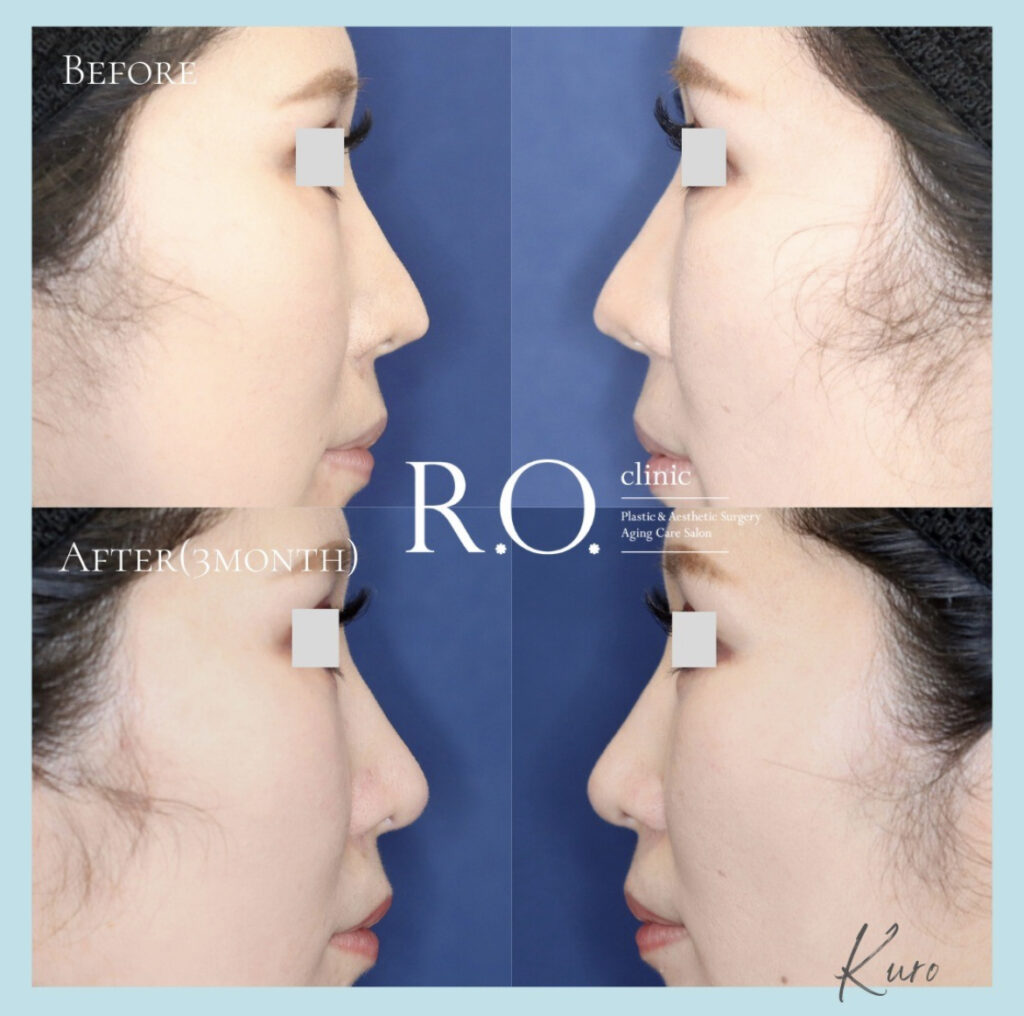
An osteopor was placed in the tip of the nose at another hospital several years ago, and part of the tip of the nose is convexly deformed and the skin of the tip of the nose is thinning. The osteopor was removed and corrected with the above procedure.
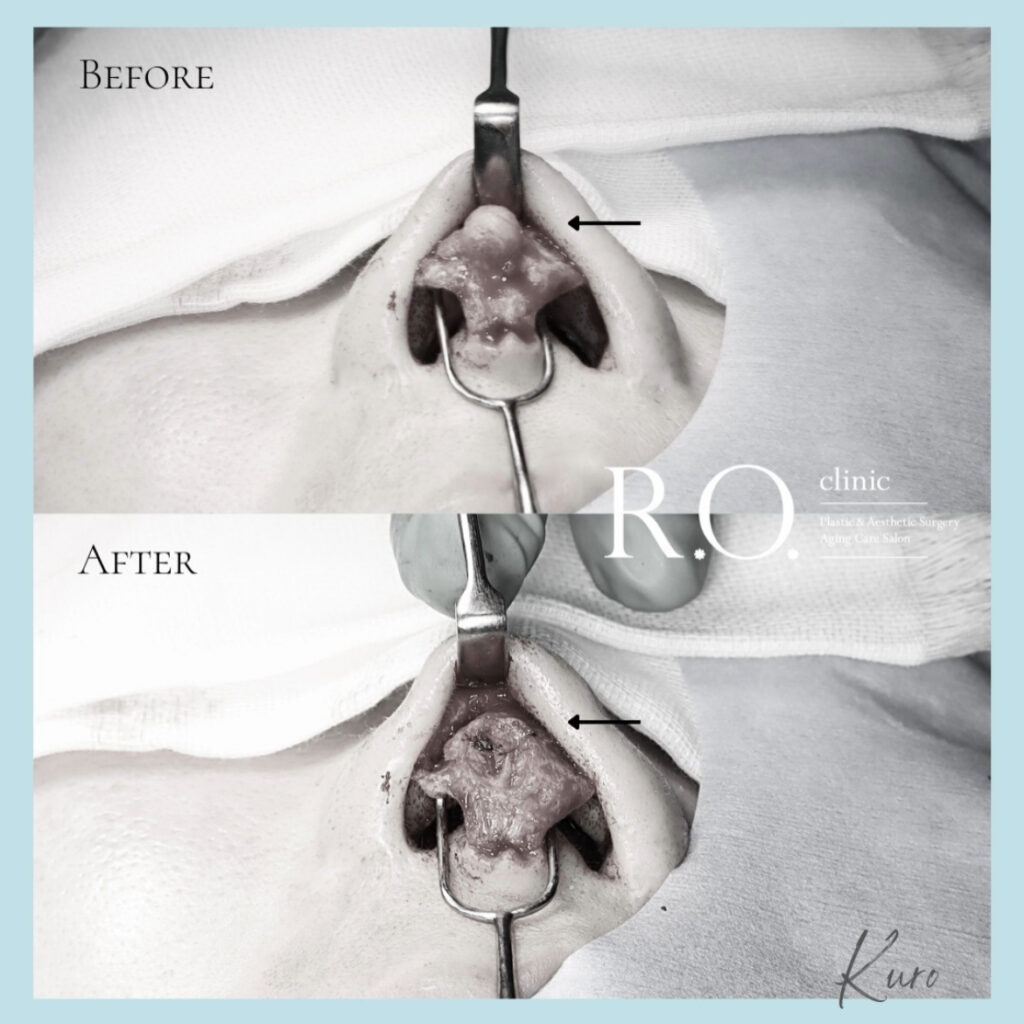
Intraoperative photo. When the osteopor is removed, the area that was compressed is depressed and deformed.
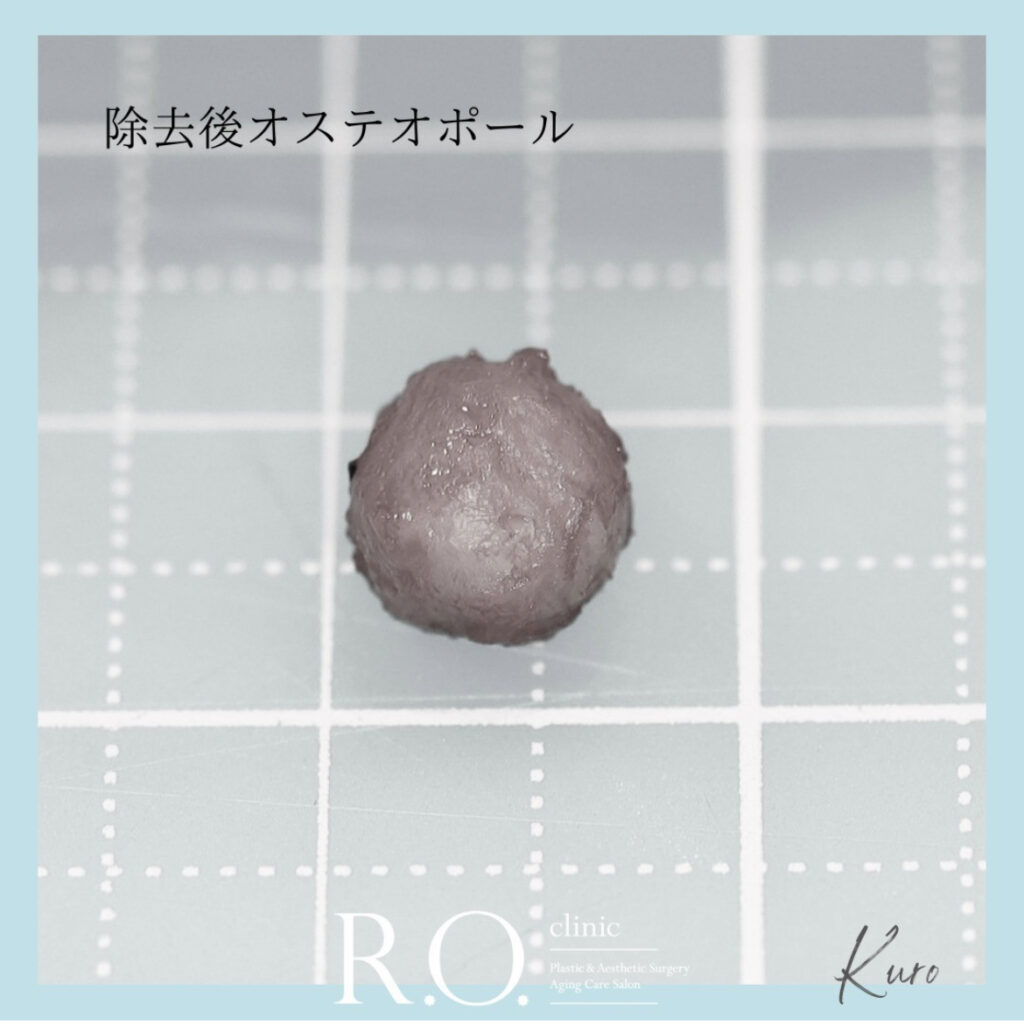
This is a spherical osteopor with a diameter of 7 mm that was removed.
summary
We believe that the problem with the Osteopole is not the Osteopole itself.
If an appropriately sized osteopor is inserted at the proper depth and without damaging the nasal wing cartilage, and if the nasal wing cartilage is reinforced as needed, the osteopor is unlikely to cause problems.
The biggest problem is that in many cases, the procedure is performed by doctors who do not have sufficient experience in performing nasal surgery. This results in an unreasonable size being inserted into a shallow layer and floating out. There are also scattered cases where the nasal wing cartilage is damaged when checked during the extraction procedure. It is thought that the nasal wing cartilage is shredded by rough manipulation when inserting the osteoporosis.
In recent years, I have the impression that clinics dealing with osteoporosis have almost disappeared, but nasal tip procedures using PCL are still being performed in different forms, such as mesh. However, PCL is still being used for nasal tip surgery, but in different forms such as mesh.
Assistant Director Daiki Kuroda
Series of Frequently Asked Questions in #Counseling
Supervisor of this article
vice president (of a hospital, clinic, etc.)
Daiki Kuroda
OHKI KURODA
Share Article