 Doctor's Column
 Staff Blog
 campaign
 News
News





2023.09.22
Other
How to recognize an honest case photo

Dr Kuroda
Hello. My name is Kuroda, Deputy Director.
Recently, we have had a series of somewhat esoteric columns.
Returning to the starting point, this time the content can be read with a relaxed mind.
Themes to be covered are
How to Recognize an Honest Case Photo."
It is.
When plastic surgeons are young, they are strictly instructed by senior doctors on how to take case photos.
I also got it from a senior doctor.
A camera to a plastic surgeon is like a stethoscope to a physician."
and gave us strict but loving guidance.
Now, when I look at the photos of cases that I see on social networking sites of cosmetic surgeons these days, I see a few that I am interested in.
CONTENTS
About Medical Advertising Guidelines
The Guidelines for Medical Advertisements, which came into effect in 2018 from the Ministry of Health, Labor and Welfare, include,
There is a
Another specific example of inappropriate
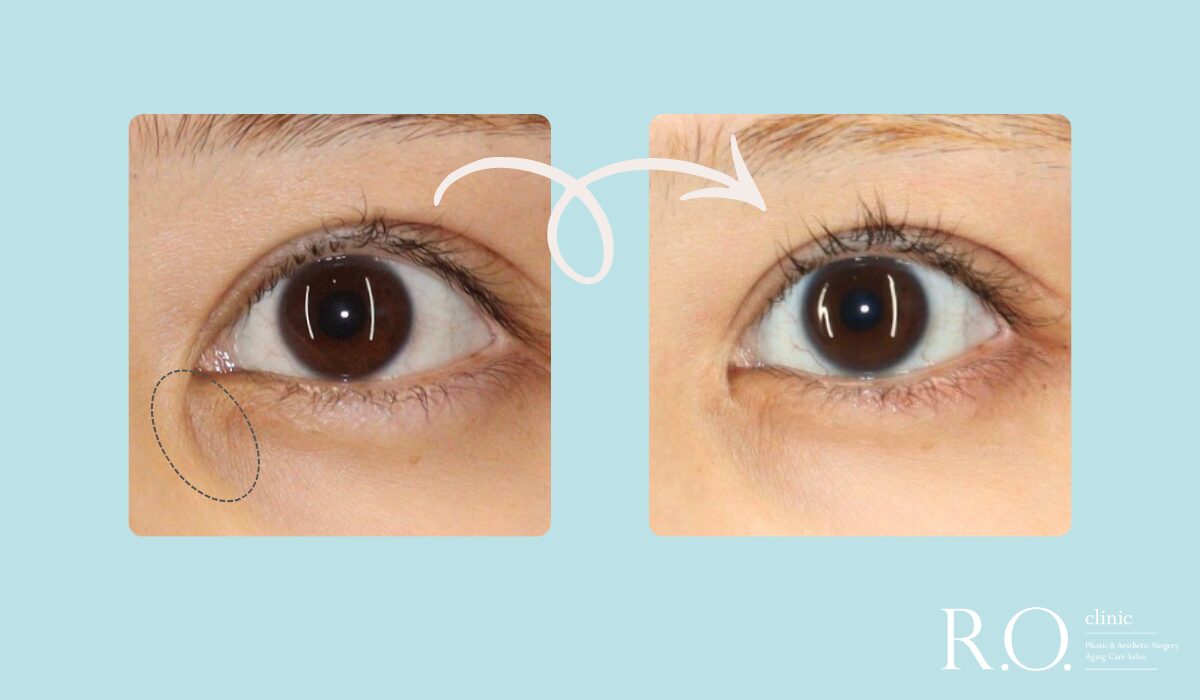
Regarding the before and after comparison photos of the double eyelid procedure, it appears that no makeup was worn before the procedure, but eye shadow and mascara were used after the procedure.
[Those that attempt to demonstrate their superiority by comparison with others.
“No. 1 in repeat business”, “Idol ⚪︎⚪︎ chose ⚪︎⚪︎ method”
There is a
In other words, the MHLW is telling us that we should not do anything confusing to deceive patients.
What may seem "a little unfair" to a medical professional may seem "wonderful" to a layperson with limited medical knowledge. It is common for a medical professional to think, "This case study photo is a bit unfair.
About Reliable Case Photos
I would therefore like to explain what I consider to be reliable and honest case photos.
Before and afters are taken under the same conditions.
This is the most basic of basics, but unfortunately the most despised.
Be careful with photos that show a before photo without makeup and an after photo with makeup. Colored contacts, extensions, etc. can greatly change the impression of the eyes.
The orientation of the face should also be aligned with the same conditions, but after shots are often taken from a position looking up, such as diagonally up, to make it look patchy, or by placing a hand on the cheek to create the illusion of a small face effect.
Also, check the light exposure. Have you ever heard of an actress light? In TV shoots, actresses have a light under their desks and light from the downward direction to avoid shadows on their faces. Even in case photos, photos that use a ring light only for the after or light from below to eliminate shadows are unreliable.
There are other photos besides the immediate post-op period.
I'm also a little concerned that you only posted a photo of the immediate post-op period.
The normal course of implantation surgery is that the swelling may appear minimal immediately after the surgery, but it will increase over the next two to three days. In nose surgery, even if the nose looks beautiful immediately afterwards, the appearance may change due to edema of the tissues, and the shape may not be maintained in the long term course.
Of course, there is nothing wrong if you include photos of the immediate post-operative period, but also include photos of the long-term progress of the case.
Clinics that do not have long-term progress photos may be neglecting postoperative follow-up. Postoperative checkups are always necessary for early detection of unexpected problems. The importance of checkups will be discussed in this column in due course.
I'm posting pictures from various angles.
If it is an eye surgery, I would like to see photos of the eyes open and closed. Some clinics even include photos of upward and downward vision, which impresses me with their sincerity.
For nose surgery, it would be good to have pictures of the forehead from the front, side, diagonally, and from below. Since the nose is a surgery that requires a three-dimensional finish, it is common for the nose to look beautiful from the front but unnatural from the side. It is not faithful to show only a photo of a nose tip reduction from the bottom, which is the thinnest view, without a photo from the side.
Good explanations to case photos.
From a peer's point of view, a post by a doctor with well-written explanations attached to case photos is instructive and persuasive. On the other hand, I feel a little disappointed when I see the same explanations copied and pasted from one post to the next. There is a saying that "God is in the details," so if a doctor posts detailed explanations of each case photo, I feel that he or she will be able to provide careful counseling and surgery.
Frequently updated
If a doctor is consistently performing surgeries, he or she should be updating case photos more frequently. If they have stopped updating, or if they are posting the same champion cases over and over again, you may want to be a little careful. It is possible that they have too many patients and do not have time (or need) to post case photos, so this may not be as important a factor as the sincerity of the case photos.
Most of the doctors follow the points I have pointed out in the column and post sincere case photos. Unfortunately, however, it is also true that there are teachers who are attracting customers by posting insincere case photos.
It is a fact of life that the uninformed are always deceived, so it is important for patients to protect themselves by taking into account the perspectives described in this column when looking at photographs of case studies.
Looking back at my own postings, I myself have often seen photos of myself wearing color contacts mixed in with after photos, so I have written this column as a reminder to myself.
Assistant Director Daiki Kuroda
#Cosmetic Surgery Yoyamatogatari Series
Supervisor of this article
vice president (of a hospital, clinic, etc.)
Daiki Kuroda
OHKI KURODA
Share Article