 Doctor's Column
 Staff Blog
 campaign
 News
News





2023.06.23
double incision
double-entry burial
Parallel or Suehiro?
Dr Kuroda
Hello.
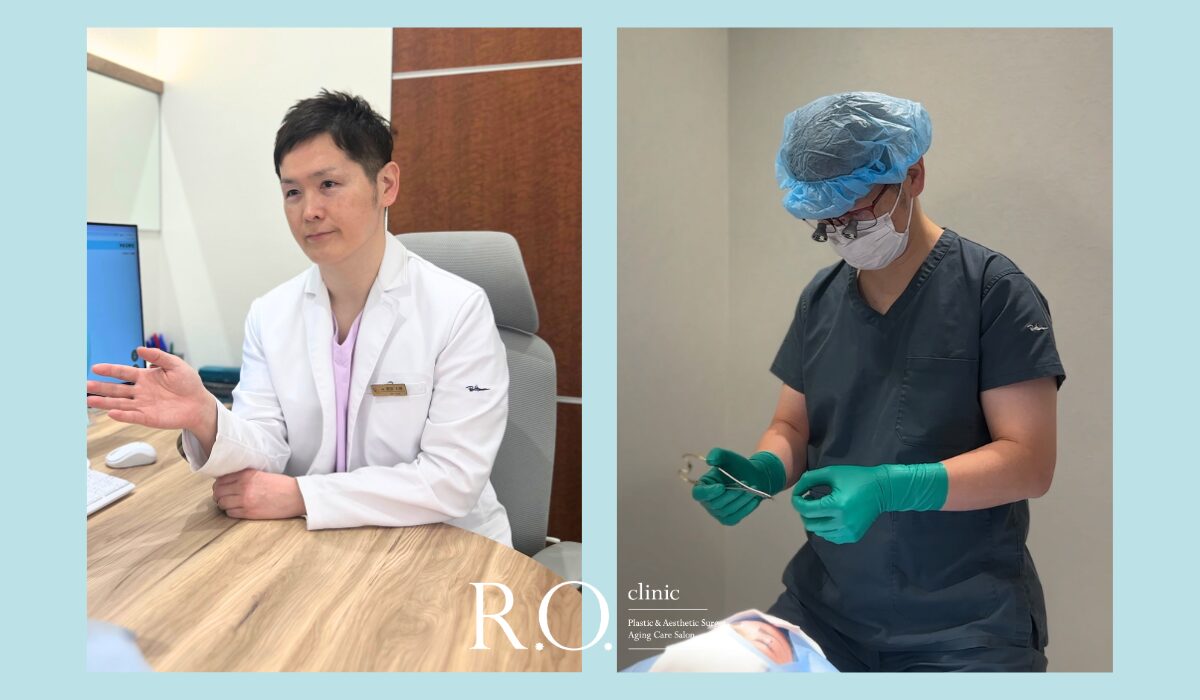
I am Dr. Kuroda, aka Dr. K, Deputy Director.
I have been asked the question, "Can I have a parallel double-over-parallel?" We sometimes receive the question, "Can I have a parallel double-overlay?
The first thing you need to decide when considering a double-layer design is your preferred "double width".
It can be narrow or wide.
CONTENTS
Preferred double width
Once the desired double width is determined, the double line is automatically determined.
The eyelid has a defined line that folds naturally,
Draw a double line along that crease."
This is because of the principle that
This principle is an important rule in creating a natural double.
Difference between Parallel and Suehiro
Note the position of the double line on the inner corner of the eye, which is thus determined.
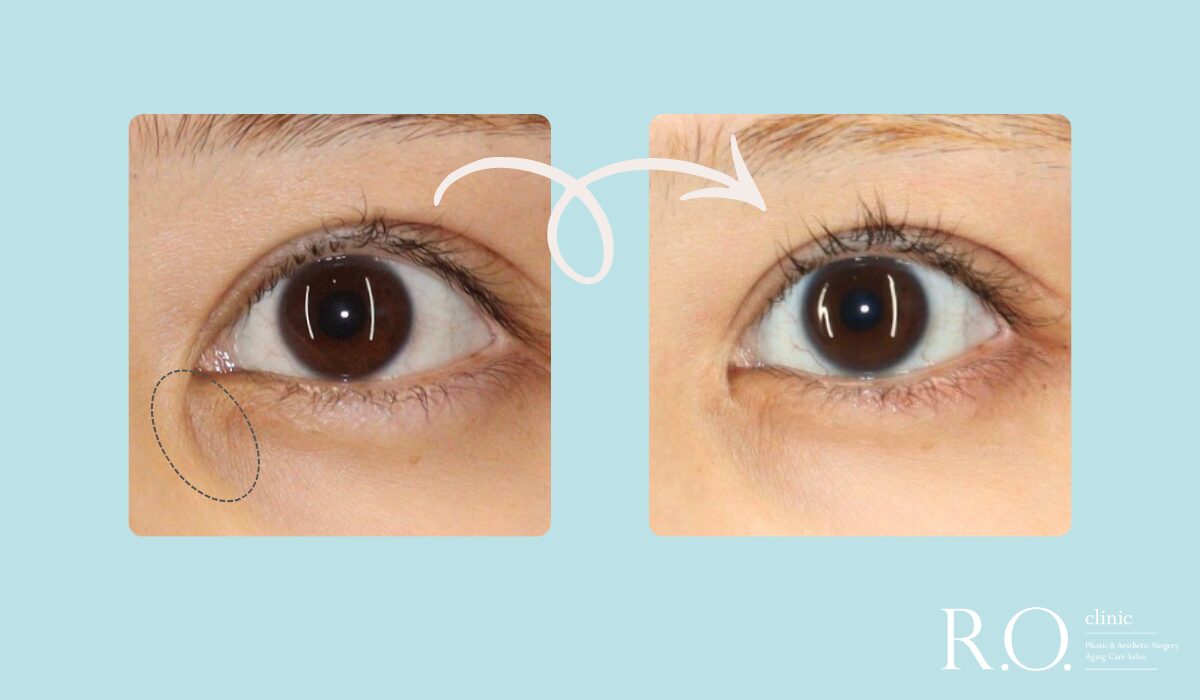
If this line is higher than the mongolian folds when the eyes are closed, the result is a parallel double fold.

If this line is lower than the mongolian folds when the eyes are closed, the result is a terminal double fold.
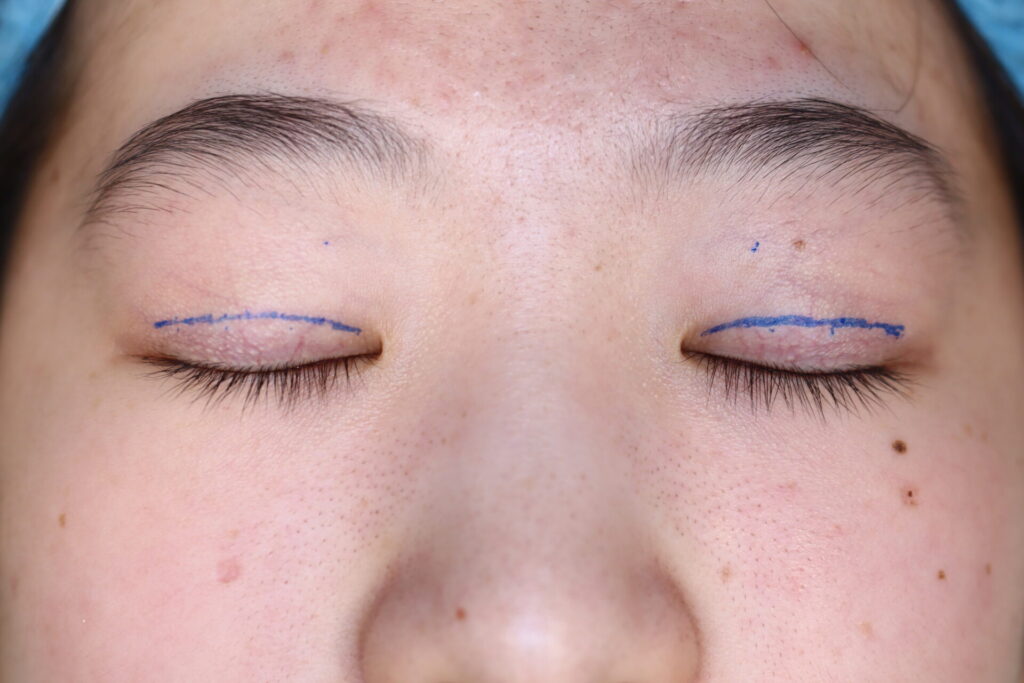
In other words, once you decide on your preferred double width, it will determine whether you want a "parallel" or "terminal" type of double width.
Since the presence and size of the mongolian folds vary from person to person, some people may have exactly the same double width, but some may have a parallel shape, while others may have a terminal width.
If your preference is different
What should I do if I want to make the double folds parallel, even though the double folds I have determined using the above methods were of the terminal type?
You may want to consider widening the double line or an eyelid incision.
Even in this case, if you deviate too far from the rule of following the design to the crease of the eyelid, the double arch will look unnatural.
Because of the significant change in the impression of the eyes, the indication for craniotomy should be decided carefully.
in the end
I know this is a difficult subject, but please do not hesitate to tell us what you want during the counseling session.
It is up to the cosmetic surgeon to guide the patient in a way that is not unnatural while meeting the patient's wishes.
Thank you for reading to the end.
Assistant Director Daiki Kuroda
# Counseling Frequently Asked Questions Series 2
See details of the treatment related to ▼ column here.
Supervisor of this article
vice president (of a hospital, clinic, etc.)
Daiki Kuroda
OHKI KURODA
Share Article