 Doctor's Column
 Staff Blog
 campaign
 News
News





2024.05.10
craniotomy
Variations of the craniotomy (1)

Dr Kuroda
What method do you use for your craniotomy?"
These are questions we are sometimes asked in counseling.
The shape of the mongolian folds varies from person to person, and the purpose of the craniotomy differs from case to case. Therefore, there are a variety of methods to perform craniotomy for each individual case.
Even a rough and broad categorization of the
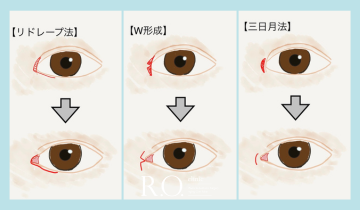
(1) Skin excision of mongolian folds: crescent, hiraga, redrape, etc.
(2) Those with Z formation: Z formation, half Z formation, Park method, Ogawa method, etc.
(3) Classified as Y-V method: Delcampo method, etc.
(4) Those that form W: Uchida method, etc.
There are too many different techniques to list, including variations on each of the above.
In this article, I will explain my usual use of the craniotomy method.
CONTENTS
(1) Z formation
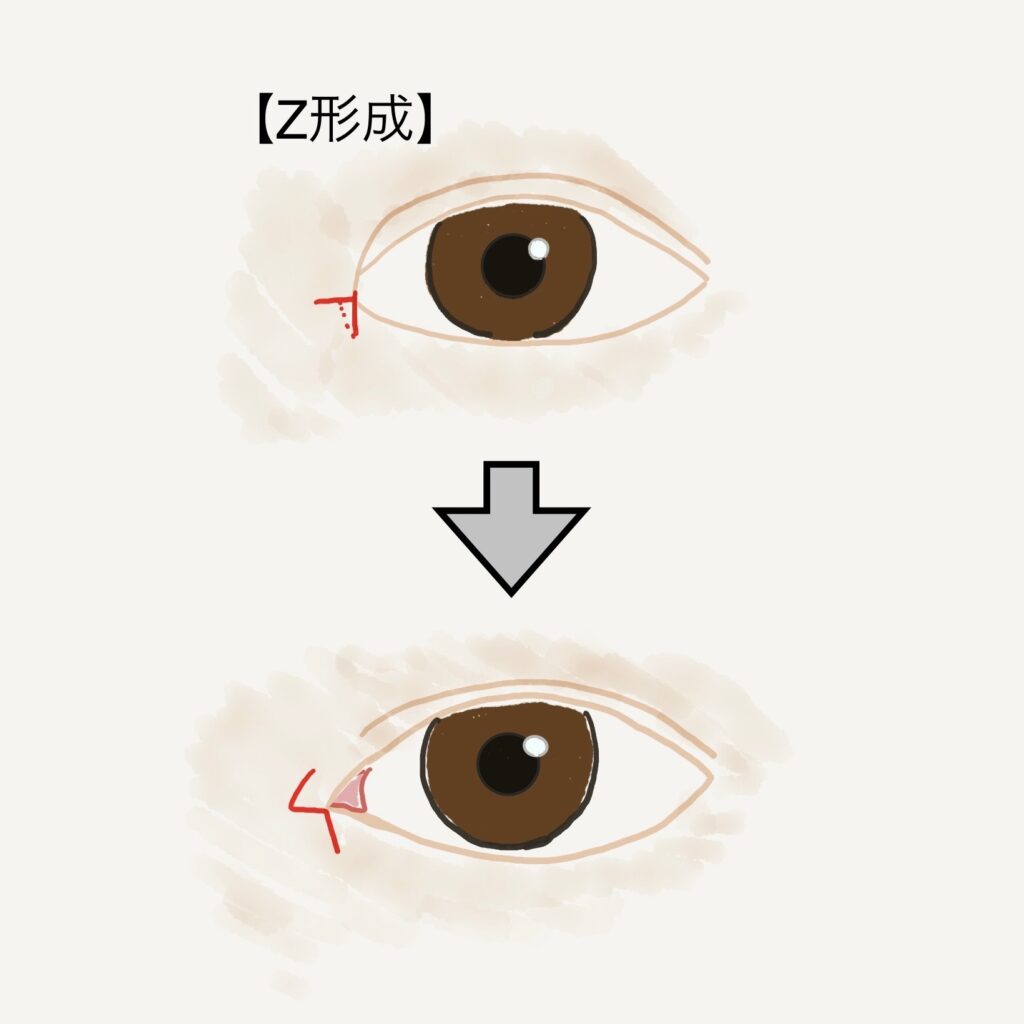
The first step is the Z formation of the royal road.
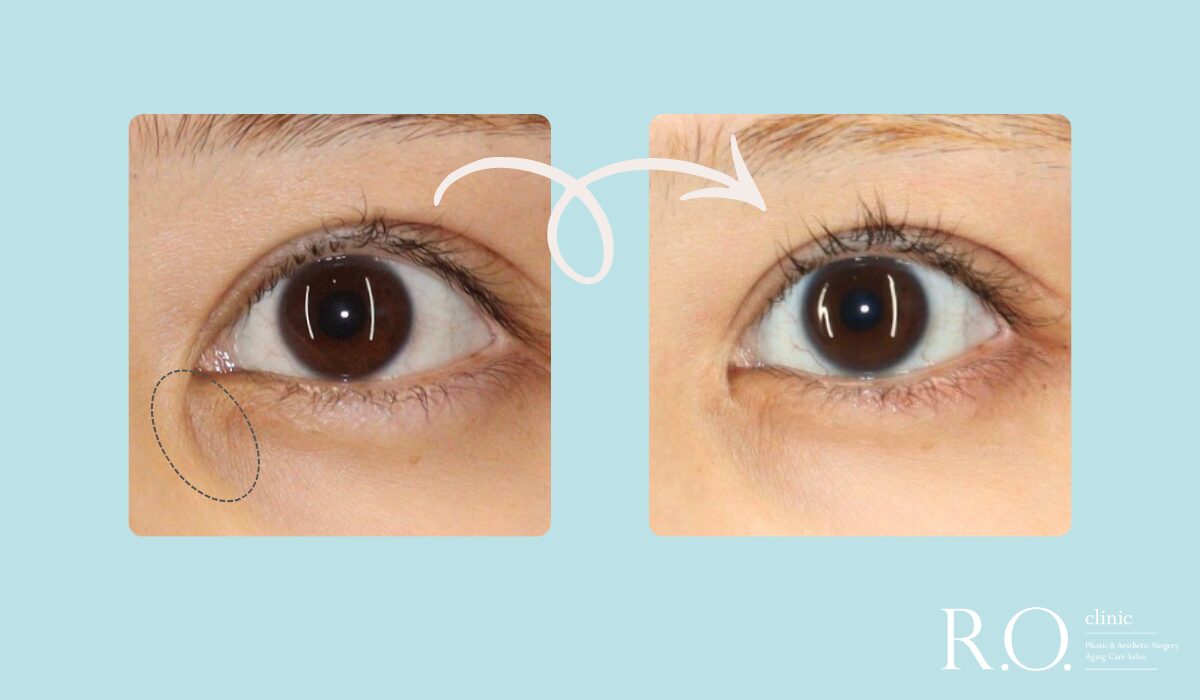
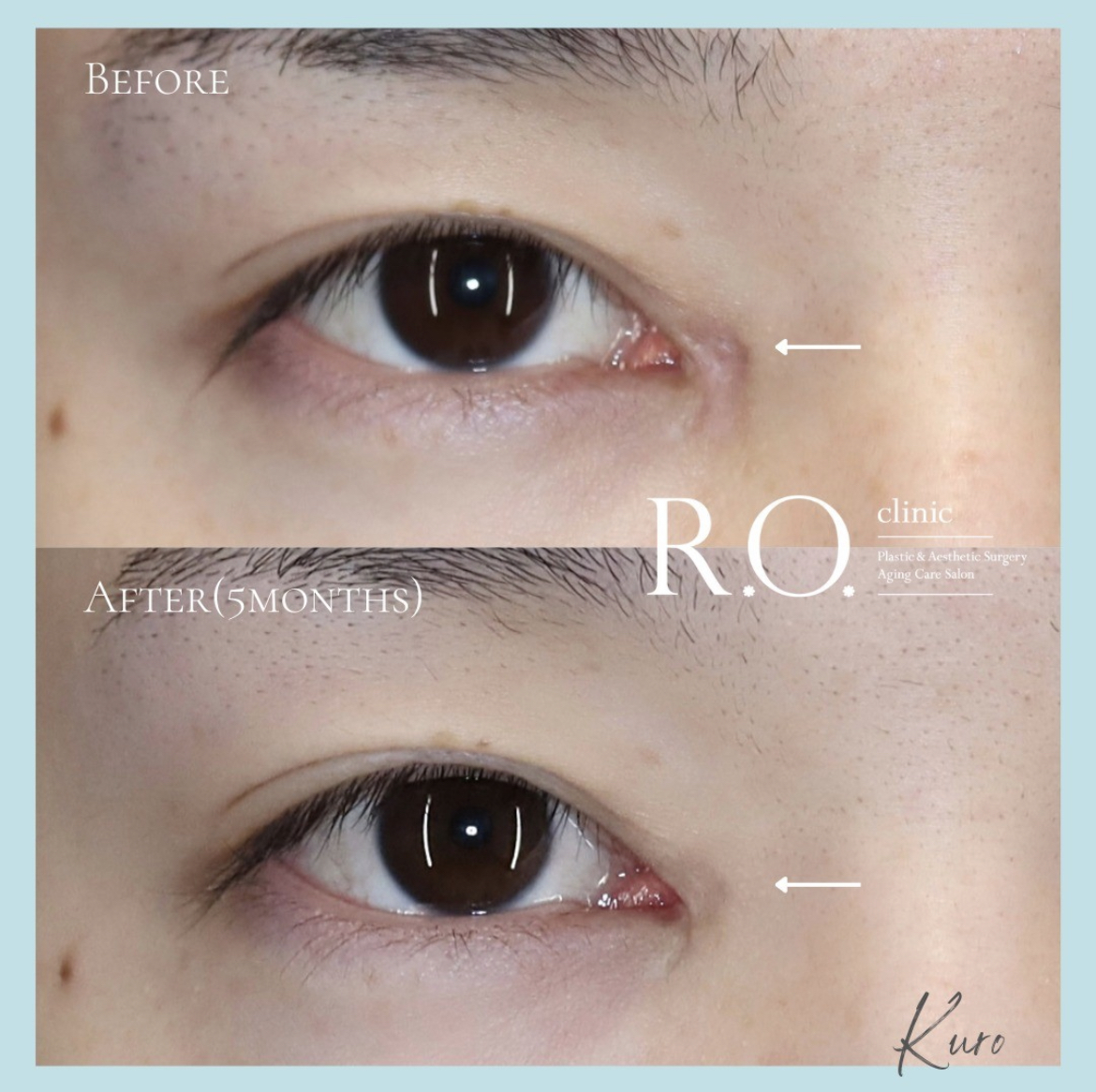
Z-plasty is a basic plastic surgery technique, which has the effect of converting a convex surface into a concave surface by aligning one side with the ridge of the Mongolian folds. It is an easy way to release the tension of the Mongolian folds and create a sharply shaped eye lid. It has the advantage that fine adjustments can be easily made during the surgery and that there is less regression due to postoperative contracture because the scar is zigzag-shaped.
On the other hand, there are disadvantages such as the scar running diagonally across the lower eyelid that may be noticeable when performed on cases with large mongolian folds extending to the lower eyelid, and the amount of change is limited unless a large design is used.
in my case
I want a sharp, pointed, sharp look to my eye socket.
The mongolian folds are not so large.
... I'm hoping for a modest change.
This method is often used in cases such as
(2) Half Z formation
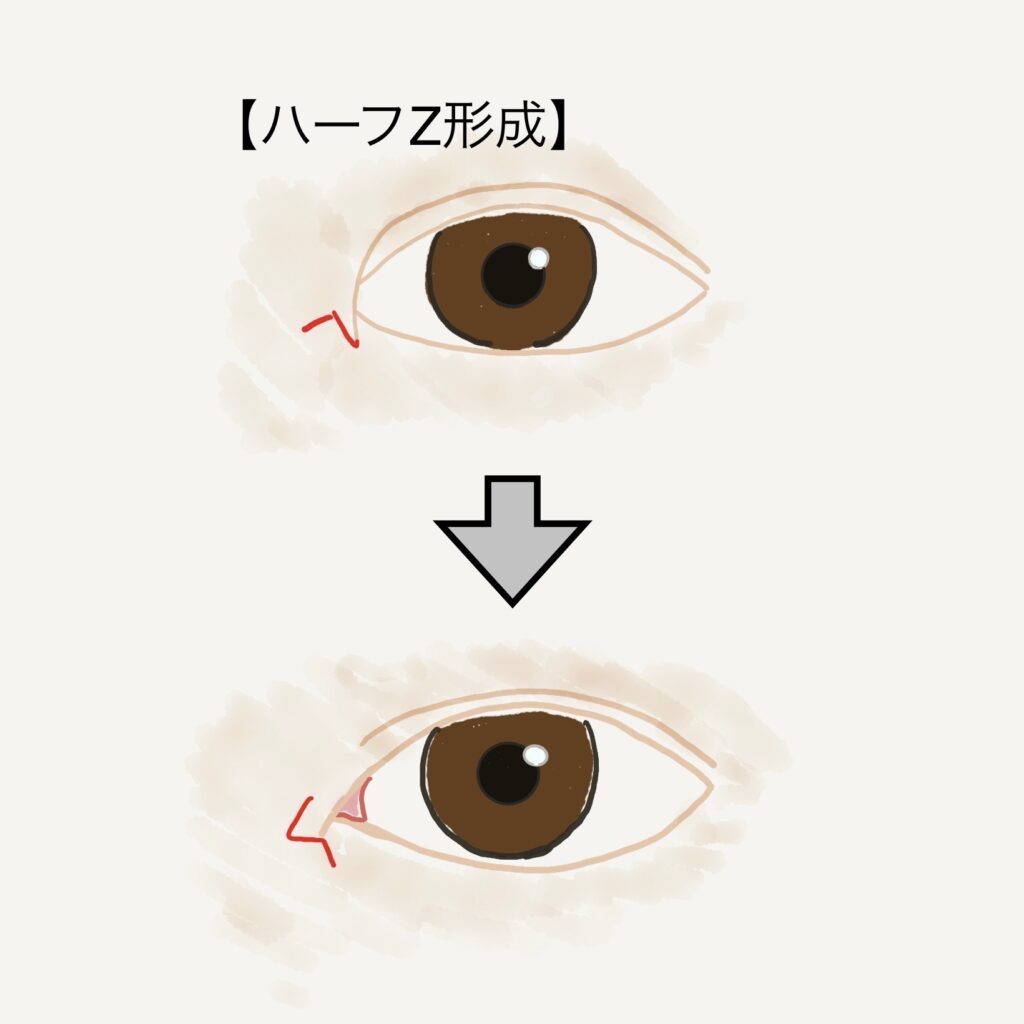
This is almost the same method as the Z-formation described above, but one side of the Z-formation is not aligned with the ridge of the Mongolian folds. It is a member of the Z-formation, so it is easy to create sharp eyes.
On the other hand, there are some disadvantages: the scar may be more noticeable than the Z-plasty because one side of the scar does not match the ridge of the Mongolian folds, and the release of the pinching is insufficient for large Mongolian folds.
in my case
I want to fine-tune the direction of the Mongolian folds, which are not so large.
This is used in cases such as
If you choose the right case and use a modest design, the disadvantages will not be a problem.
Park Act

This method is also a member of the Z-plasty group. However, in cases where the skin covering around the eye socket is large, Z-formation and half-Z-formation do not always result in a parallel double fold. Therefore, Z-plasty is performed while excising the skin covering the eye socket so that it is continuous with the parallel double fold line. This has the advantage of making it easier to create a parallel double fold even in cases where there is a lot of excess skin at the eye socket, but it has the disadvantage of a longer scar. I use the Park variant method, in which one side of the Z-formation is aligned with the ridge of the mongolian folds, so that the scar is blended with the double fold line and is less noticeable.
in my case
I want to have a parallel or mixed double fold.
The skin covering around the eye socket is too large to form a parallel shape in the Z formation.
This is a method that is often used in cases such as
All three methods utilize Z formation.
A craniotomy that does not utilize the Z-formation may also be performed.
I will explain that in the next week's column.
Assistant Director Daiki Kuroda
#Dr. K's In-Depth Commentary Series
Supervisor of this article
vice president (of a hospital, clinic, etc.)
Daiki Kuroda
OHKI KURODA
Share Article