 Doctor's Column
 Staff Blog
 campaign
 News
News





2024.04.05
epicanthus
About Mongolian fold formation (5) "Shape of the lacrimal folds

Dr Kuroda
CONTENTS
About Lachrymal Hill
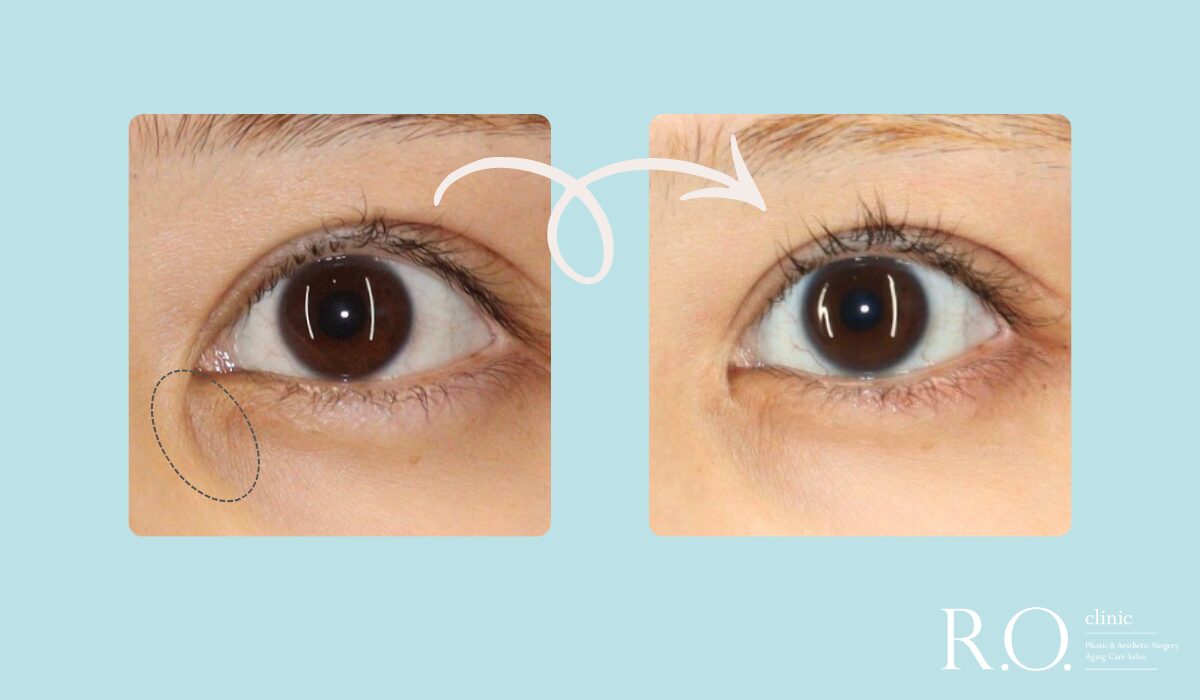
The pink flesh at the top of the eye is called the tear duct.
For some, the lacrimal folds are completely hidden by the mongolian folds, while for others they are firmly visible.
The appearance of the tear ducts can be changed by performing an incision or mongolian fold formation.
However, the shape of the lacrimal fold itself cannot be changed.
(Strictly speaking, there are ways to do this, but it is not commonly done as a cosmetic surgery procedure.)
The shape of the tear duct should always be checked when considering a craniotomy.
If a large craniotomy is performed because the eyes are too far apart, the eyes may look unnatural depending on the shape of the tear ducts.
Let's look at some of the shapes of the lacrimal folds here.
Both of these conditions are after an incision was made at another hospital.
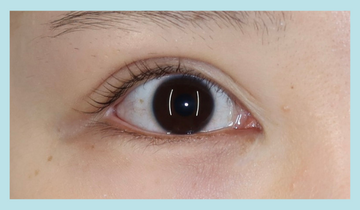
The mongolian folds have been completely lifted and the lacrimal folds are exposed.
The shape of the lacrimal duct is triangular with a pointed tip.
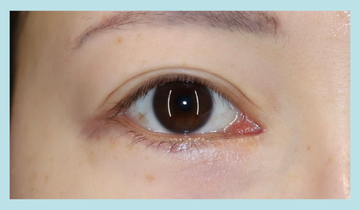
The mongolian folds have been completely lifted in this person as well.
The lacrimal duct is larger and more rounded at the tip than in the previous case.
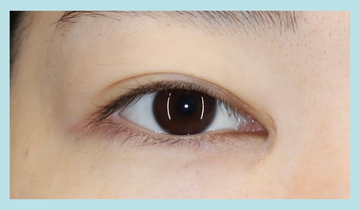
Most of the lacrimal folds are exposed, leaving only a few mongolian folds.
The lacrimal duct has a "bird's beak" shape, which is long in width relative to its length.
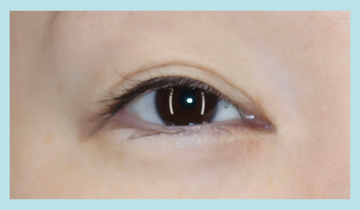
The mongolian folds have been lifted and the lacrimal folds are fully exposed.
The lacrimal duct is "bird's beak" shaped, even narrower in length than in the previous case.
What do you think?
Although it is a matter of taste, I think that in general, eyes with large, exposed "bird's beak" shaped tear ducts are often not preferred.
Mongolian folds case study
Here is the topic of mongolian fold formation.
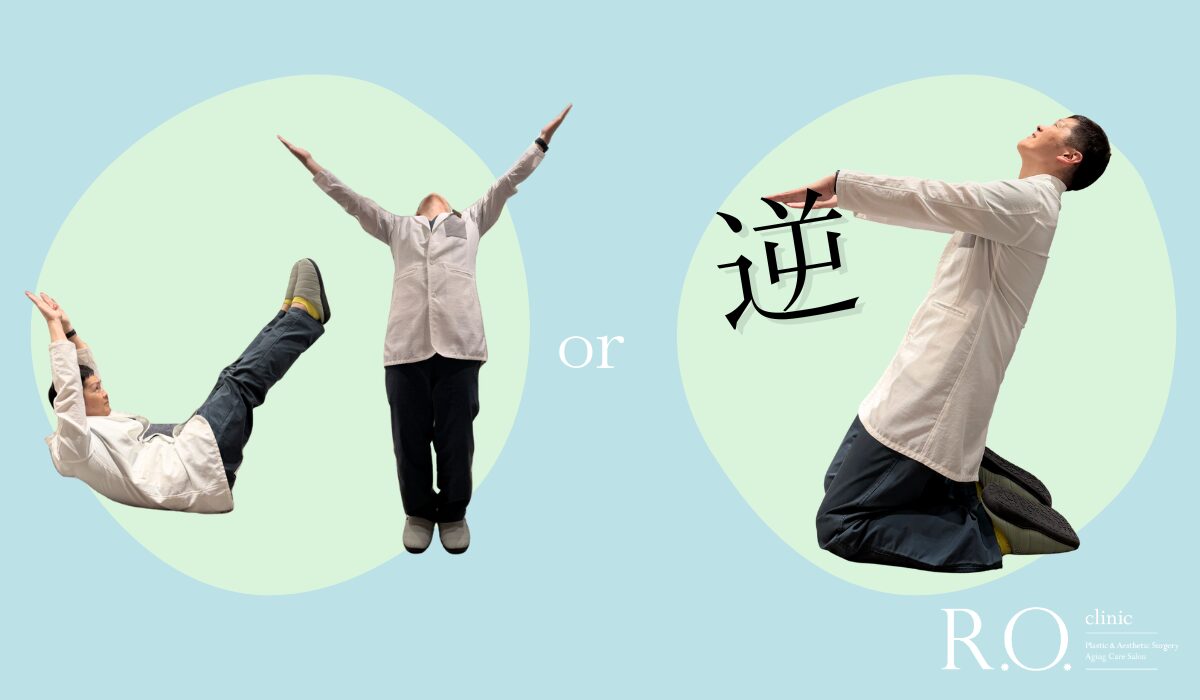
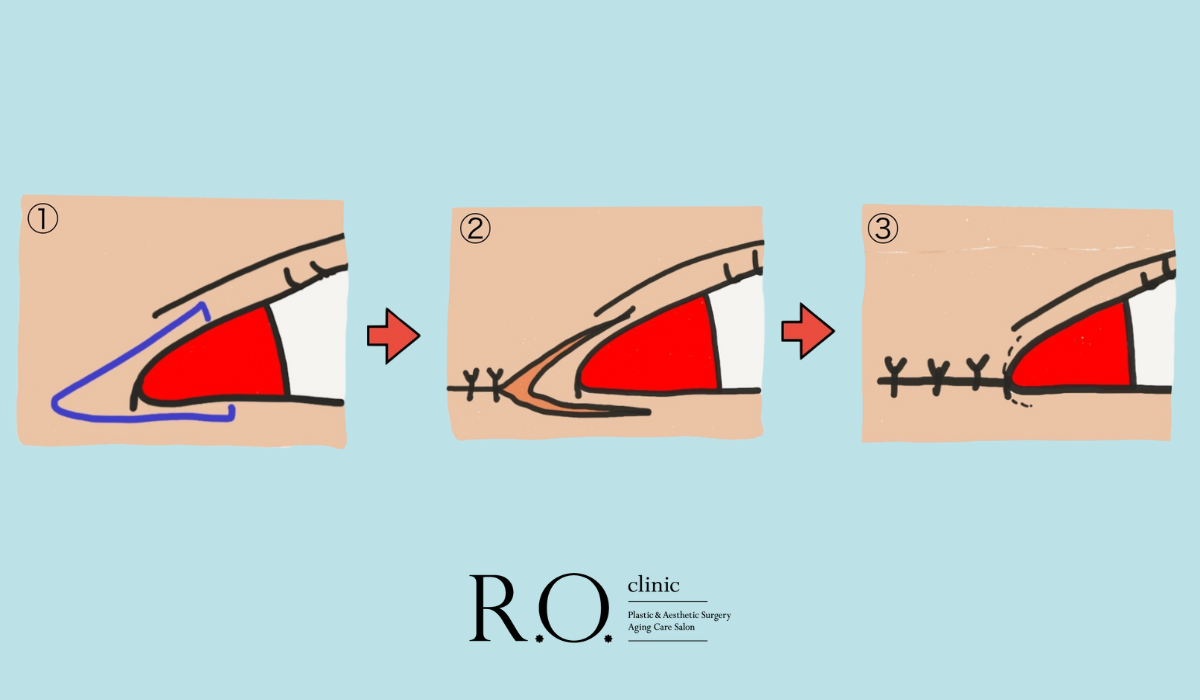
Patients may wonder whether the VY method or the inverse Z method is more suitable for them.
Both methods have advantages and disadvantages, so there is no absolute right answer.
I have explained that in previous columns.
However, for people with a "bird's beak" shape of the lacrimal duct, the VY method is a better choice.
These are the people mentioned earlier with mongolian folds formed by the VY method.
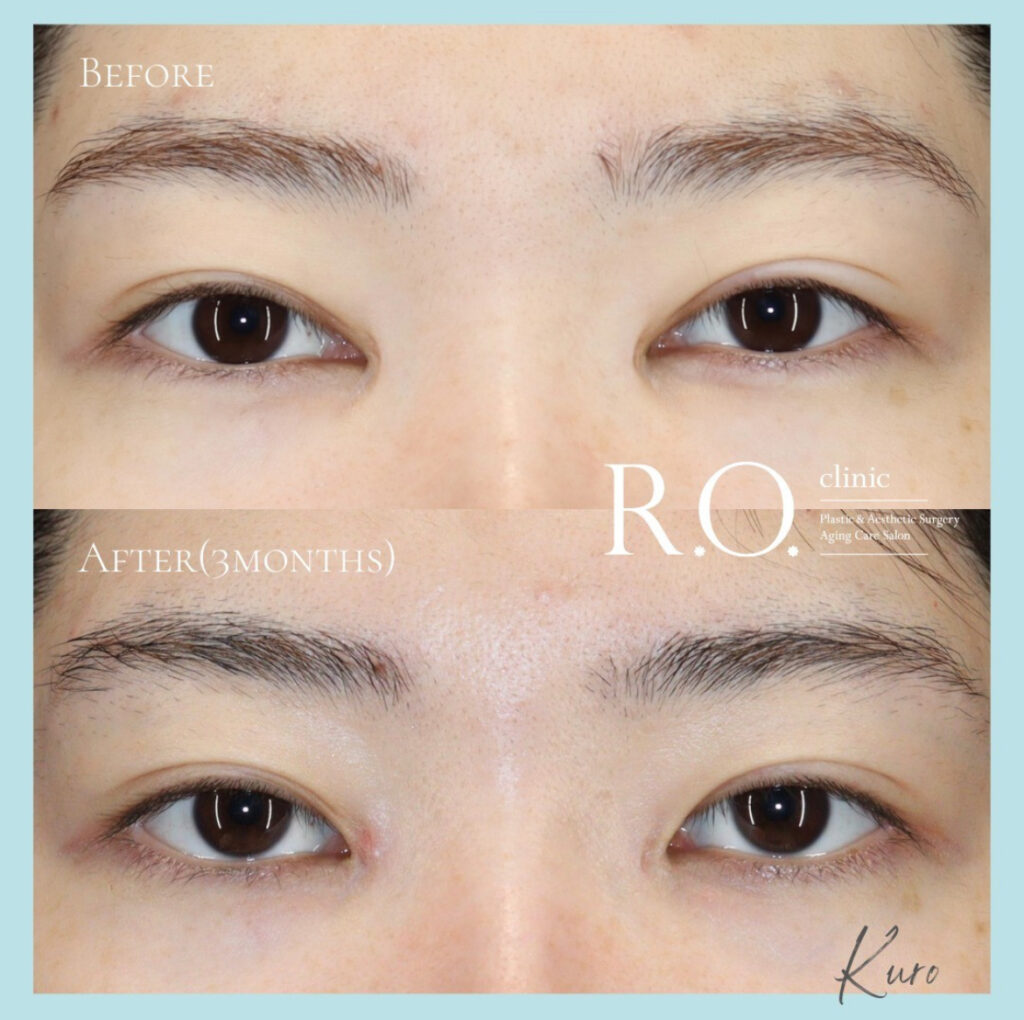
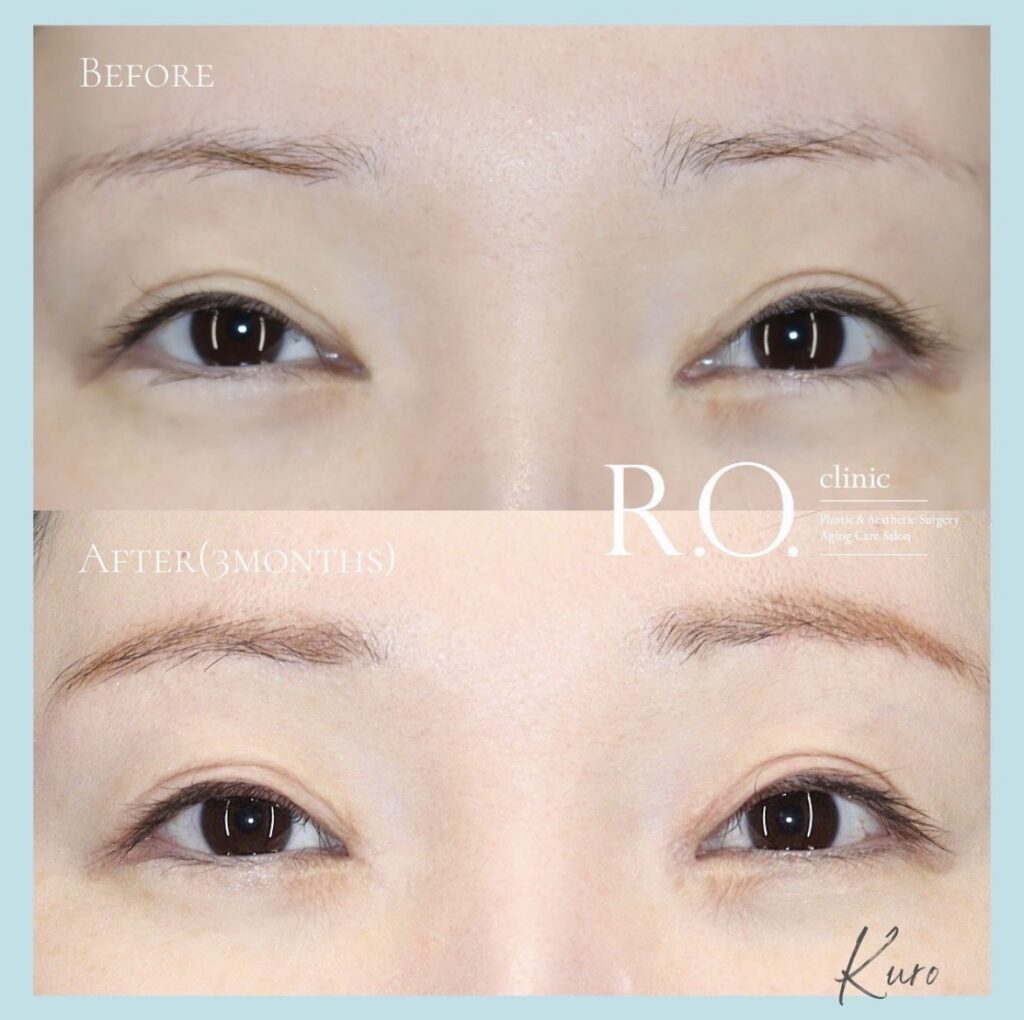
The VY method can narrow the width of the lacrimal folds by more than 1mm, thus balancing the length and width of the lacrimal folds.
Please see the case of a person with a "bird's beak" lacrimal fold who underwent mongolian fold formation using the inverted Z method at another clinic.
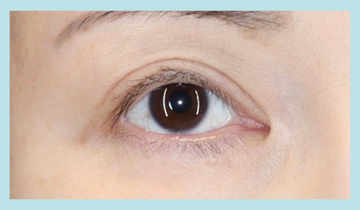
The Reverse Z Method is a wonderful method for reconstructing three-dimensional mongolian folds, but the exposure of the lacrimal folds can be narrowed to only about 1mm. If a person with "bird's beak" lacrimal folds undergoes the Reverse Z Method, only the tip of the lacrimal folds will be unnaturally hidden and the length and width will be unbalanced.
Now, let's see who has the large horizontal teardrops,
I want to reduce the width of the lacrimal folds and also have three-dimensional mongolian folds."
What if I wish to do so?
Here is what happened after the previous case.
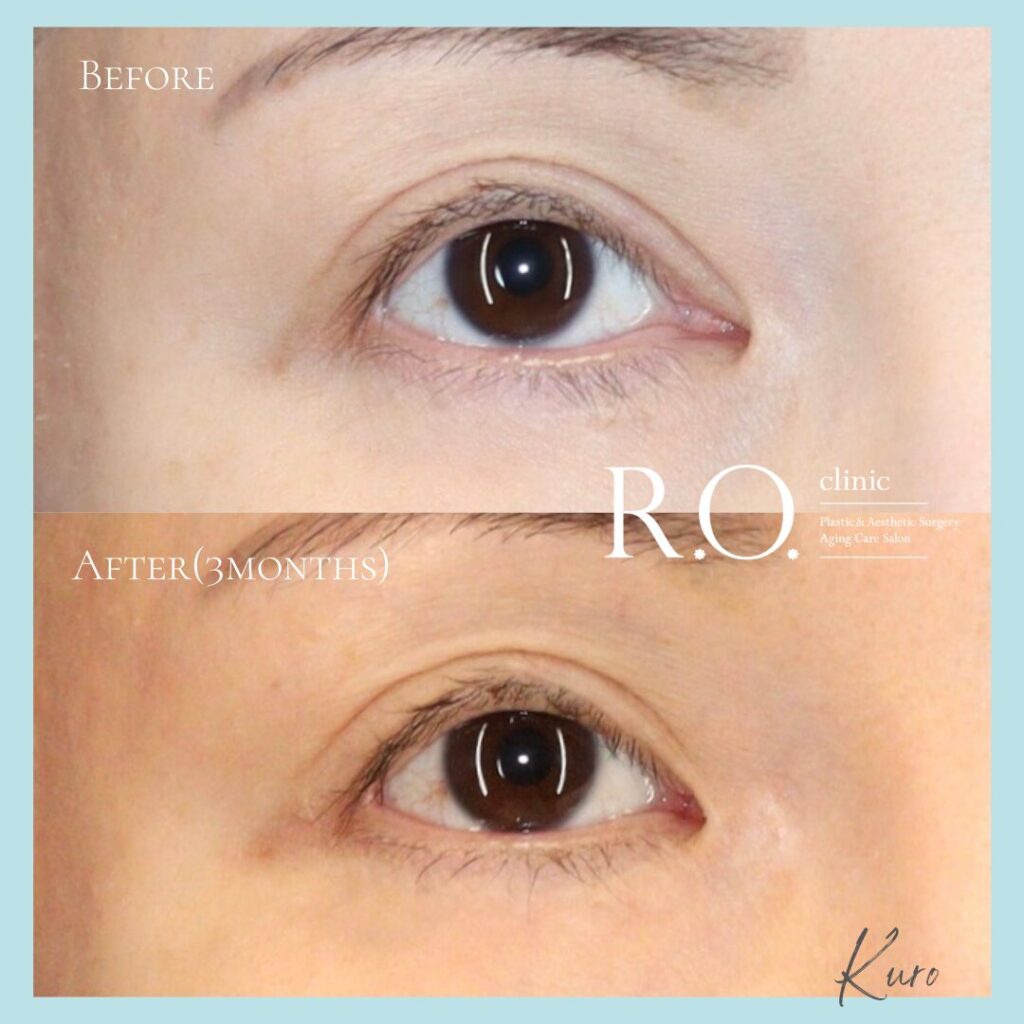
The width of the lacrimal folds was narrowed using the VY method while retaining the Mongolian folds that were reconstructed by the previous surgeon.
Thus, by combining the VY and inverse Z methods in two phases, we were able to create three-dimensional mongolian folds while reducing the width of the lacrimal folds.
Another method is the Shark fin flap, which can narrow the width of the lacrimal folds by 1mm or more while creating three-dimensional mongolian folds, but it is a technique that has various points of concern, so we are cautious about its application.
summary
It is impossible to handle all cases with only one type of surgery, whether it is a craniotomy or mongolian fold formation. Checking the shape of the tear trough is essential in determining the surgical method.
We recommend that patients who are considering an episiotomy or mongolian fold formation should understand the shape of their own tear ducts before discussing the matter with their doctor.
Assistant Director Daiki Kuroda
#Dr. K's In-Depth Commentary Series
Supervisor of this article
vice president (of a hospital, clinic, etc.)
Daiki Kuroda
OHKI KURODA
Share Article