 Doctor's Column
 Staff Blog
 campaign
 News
News





2025.04.02
Other
Breast moisturizer - breast cream

Dr. Tatsuta
The skin around the breast is particularly thin compared to other parts of the body and has fewer sebaceous glands, making it more prone to dryness. In addition, the skin tends to become drier as it ages and its thickness decreases.
Friction from underwear and other clothing, as well as steam from perspiration on the breast, can trigger itchy eczema. The skin of the nipple areola has a weak barrier function and is particularly sensitive to irritation.
It is important to moisturize and care for the skin to reduce irritation and skin problems.
The breast itself has no muscle and is composed of fat and connective tissue (Cooper's ligament). The breast is the second thickest fatty area of the body, after the buttocks. The skin around the breast supports the breast and plays an important role in maintaining and supporting the breast shape. The firmness and elasticity of the skin greatly affects the texture of the breast curve.
A study on breast creams has been reported. We evaluated the effect of applying and massaging a breast cream evenly twice a day for one month on breast firmness and breast enhancement.
The results showed that the breast cream had an effect on improving the skin condition of the breast and lifting the breast. The breast cream application group showed increased breast skin elasticity, improved breast skin firmness, and breast enhancement.
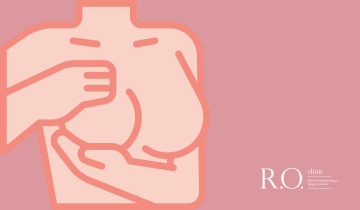
In addition to moisturizing and clarifying the skin, the breast cream can also be massaged to relax the entire breast for a wider and more even application, which improves blood flow and physical stimulation, resulting in beautiful breasts with elasticity, including firmness.
It is important to continue to do so on a daily basis.
Supervisor of this article
physician
Sayo Tatsuta
Sayo Tatsuta
Share Article