 Doctor's Column
 Staff Blog
 campaign
 News
News





2024.11.25
Other
Nipple shape

Dr. Tatsuta
CONTENTS
About Nipples
As estrogen secretion increases during puberty, the breasts develop and the nipples protrude accordingly.
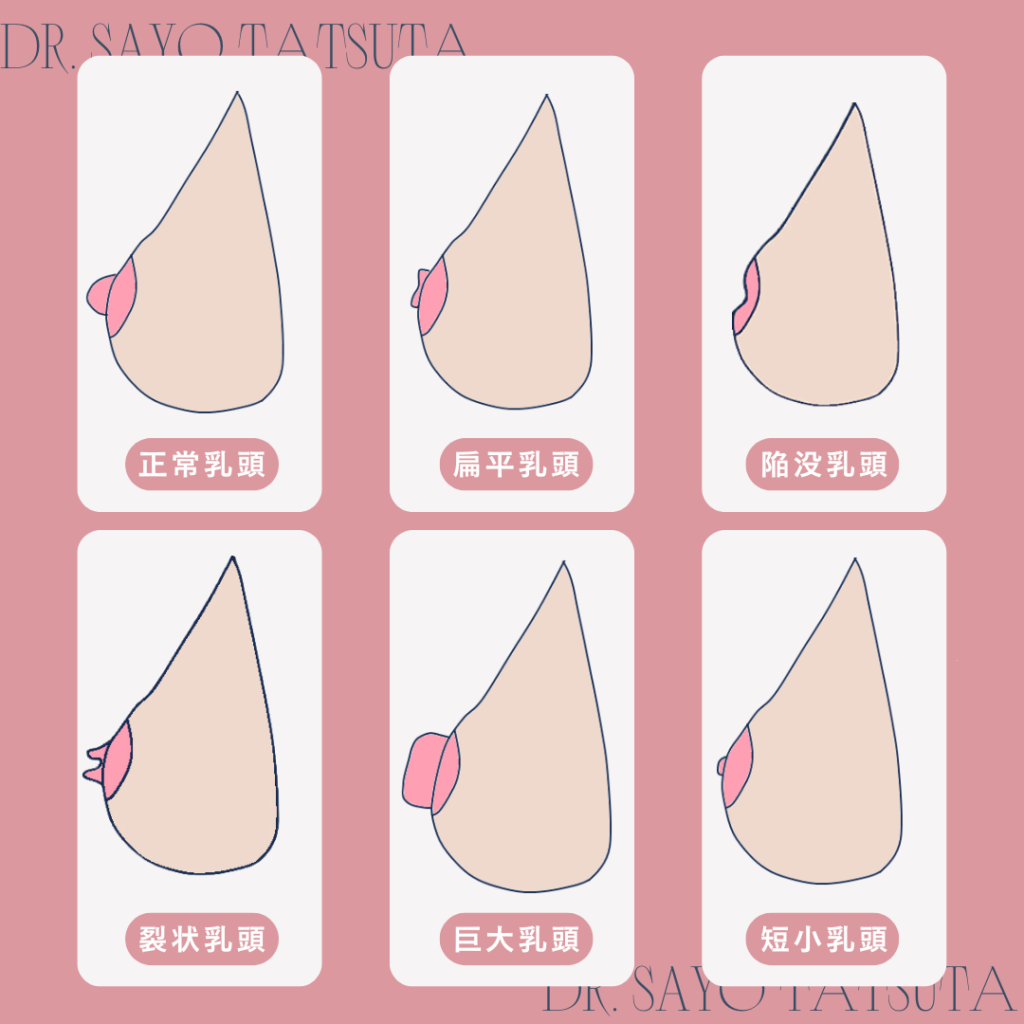
The shape of the nipple varies, and a nipple that protrudes approximately 0.9 to 1.5 cm is considered normal.
However, it is said that 3 to 20% of women have what is called a sunken nipple, a condition in which the nipple is left behind and sunken even though the breast has developed.
Sunken nipples tend to be more common in people with well-developed mammary glands and large breasts. It is believed that the ducts opening into the nipple do not keep pace with the development of the breast, resulting in relative shortening of the ducts, which causes the development of the sunken nipple.
In addition to these cases of birth defects, nipples that originally protruded may later become sunken.
The degree of nipple depression varies from mild, which protrudes with nipple stimulation, to severe, which makes it impossible to breastfeed, and often occurs bilaterally on both sides.
If the nipple protrudes when stimulated, it is classified as a pseudo-sagittal nipple; if it does not protrude when stimulated, it is classified as a true sagittal nipple.
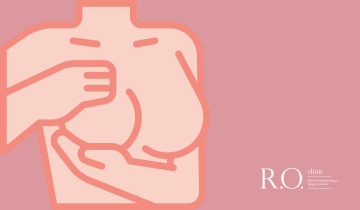
The pinch test is used to determine if the nipple protrudes or sinks when pressure is applied to the nipple with the thumb and forefinger.
In addition, a sunken nipple not only causes cosmetic and emotional distress, but also affects lactation. The sunken nipple makes it difficult to keep clean and prone to infection, and recurrent mastitis and subareolar abscesses are not uncommon.
Because nipple stimulation during pregnancy risks premature delivery, treatment should be as far as possible before pregnancy.
About Treatment
Treatment depends on the severity of the condition. If not corrected by corrective treatment, surgery is indicated. Surgery is performed under local anesthesia.
During the first three months after surgery, care will be taken to avoid excessive pressure and to prevent recession again. After surgery, breastfeeding is possible, but we also take great care to explain the risks of the surgery.
Supervisor of this article
physician
Sayo Tatsuta
Sayo Tatsuta
Share Article