 Doctor's Column
 Staff Blog
 campaign
 News
News





2024.07.26
breast augmentation
Postoperative complications, tests, and precautions for silicone bag (breast implant) breast augmentation
Dr. Tatsuta
One of the complications of silicone bag augmentation is capsular contracture. Textured silicone bags, which have a rough surface, are considered less prone to capsular contracture, while smooth silicone bags have a higher rate of capsular contracture. Some doctors recommend early massage to prevent contracture, but there is no clear medical evidence for massage. Inflammation from causes such as hemorrhage, hematoma, seroma, tissue contusion, or infection can cause the capsule to thicken and stiffen.
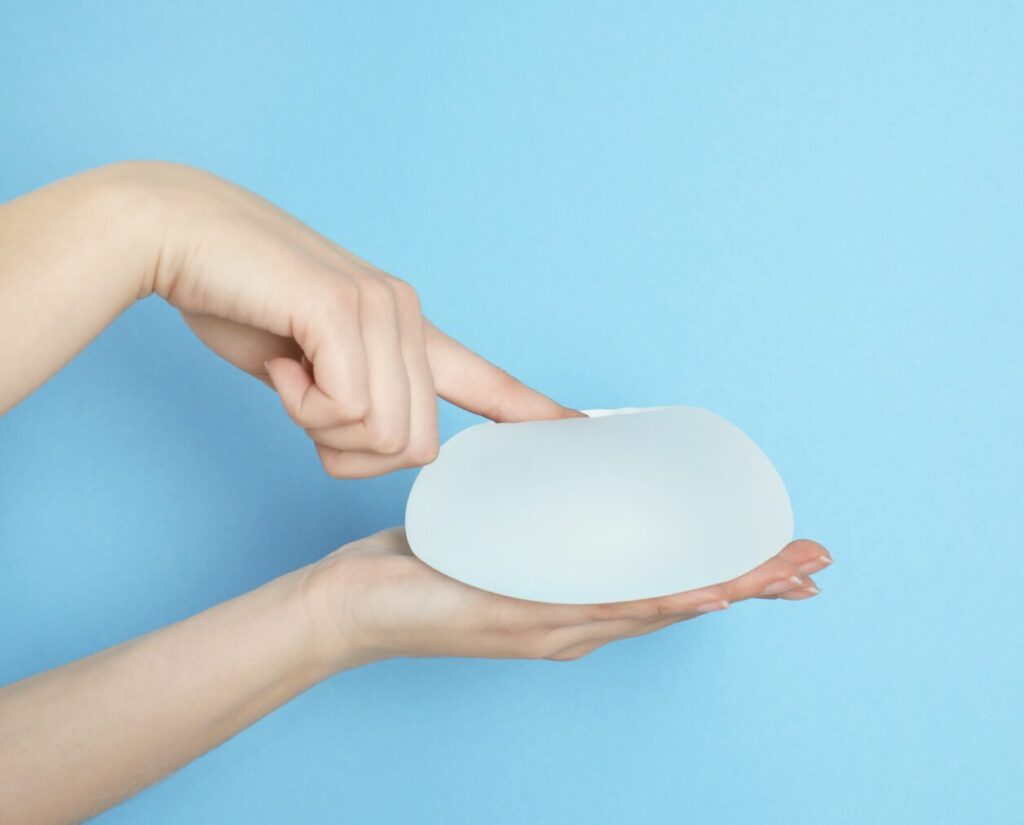
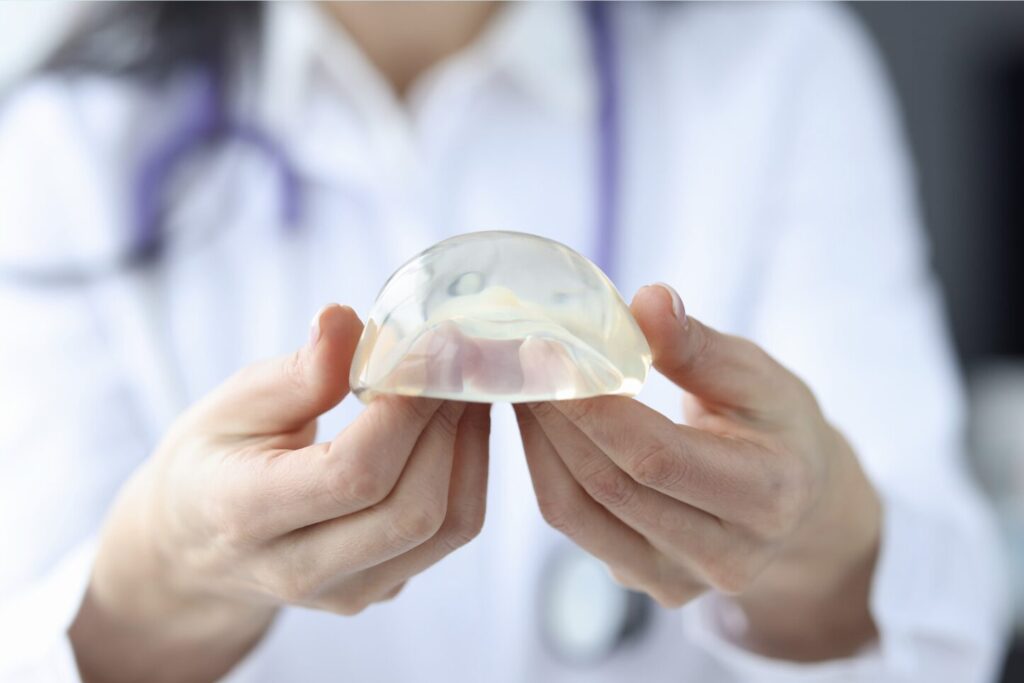
Therefore, it is important to stay in bed immediately after surgery to prevent complications.
The textured shape of silicone bags has also created the problem of Breast Implant Associated-Anaplastic Large Cell Lymphoma (BIA-ALCL). This is a very rare condition that occurs primarily with the use of textured silicone bags. Smooth type implants have an infinitely lower risk of BIA-ALCL.
In most cases, even if BIA-ALCL develops, it is believed to be cured by removing the silicone bag and surrounding tissue.
There is also a complication called breast implant-related squamous cell carcinoma, of which 16 cases have been reported worldwide, but none in Japan.
Regarding postoperative precautions, the duration of postoperative restrictions on exercises using the shoulder joint and pectoralis major muscles may vary depending on the surgical technique and your doctor. You should also follow your doctor's instructions regarding the method and duration of band fixation after surgery.
For postoperative checkups, echo, CT, and MRI are suitable considering the load on the silicone bag and diagnostic accuracy.
I also place great importance on informing patients of postoperative precautions. If a patient feels that something is wrong, he or she should immediately contact our clinic so that we can take appropriate action as soon as possible.
Supervisor of this article
physician
Sayo Tatsuta
Sayo Tatsuta
Share Article