




Those with a crooked nasal bridge.
・Poor nasal passage in either direction
For those who wish to have a clear nasal line.
[In the case of bony plagiocele]
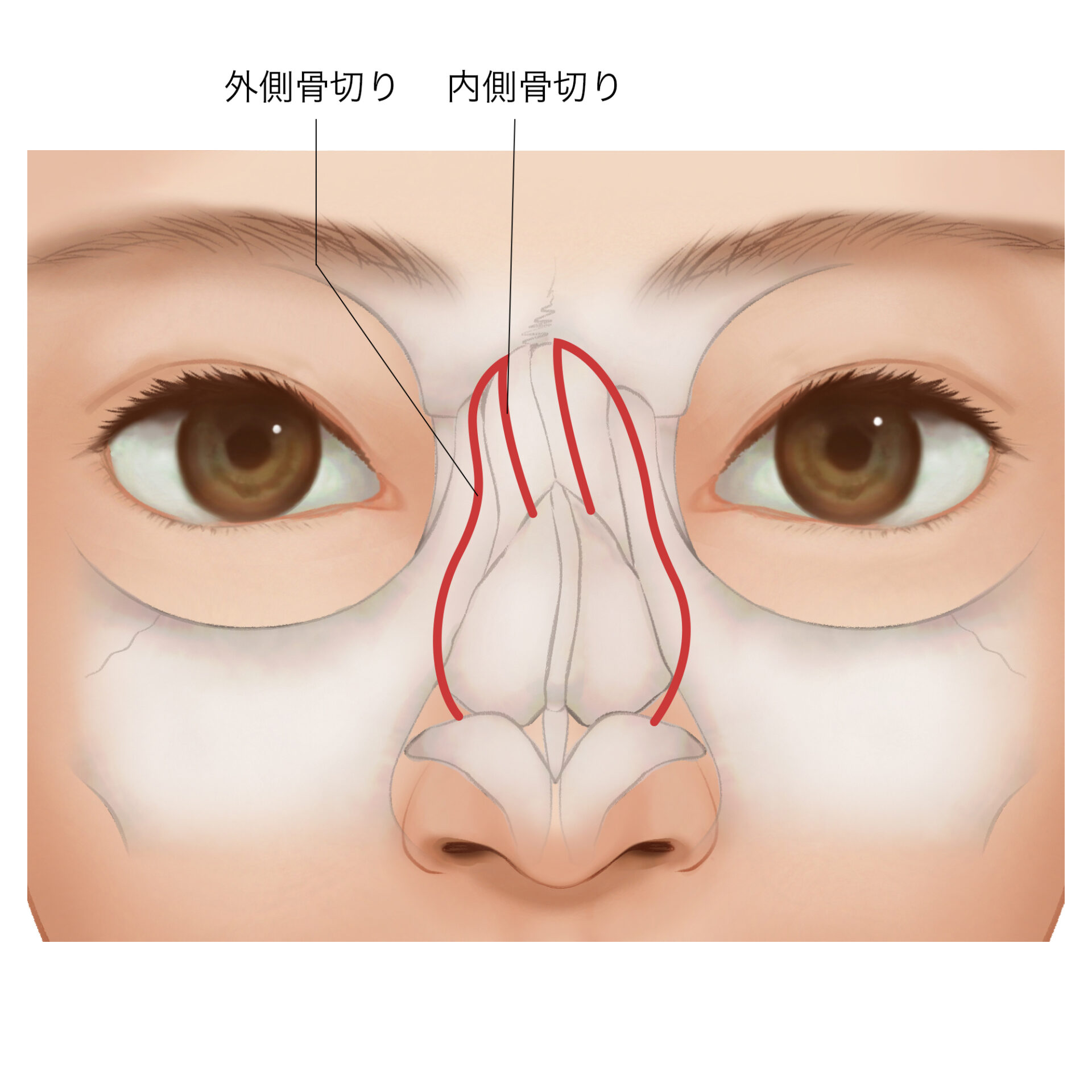
This is done through a 2mm incision inside and outside the nose. The osteotomy is performed through a 2 cm incision on the inside. A chisel is used to make an internal and external osteotomy on the nasal bone to create two bone fragments and straighten the position of the nasal bone. The nose is then immobilized in a cast for two weeks to straighten and stabilize the nasal bridge. The scar is not noticeable since it is a small incision made from the inside of the nose and about 2mm of skin.
[In the case of osteochondral plagiocephaly
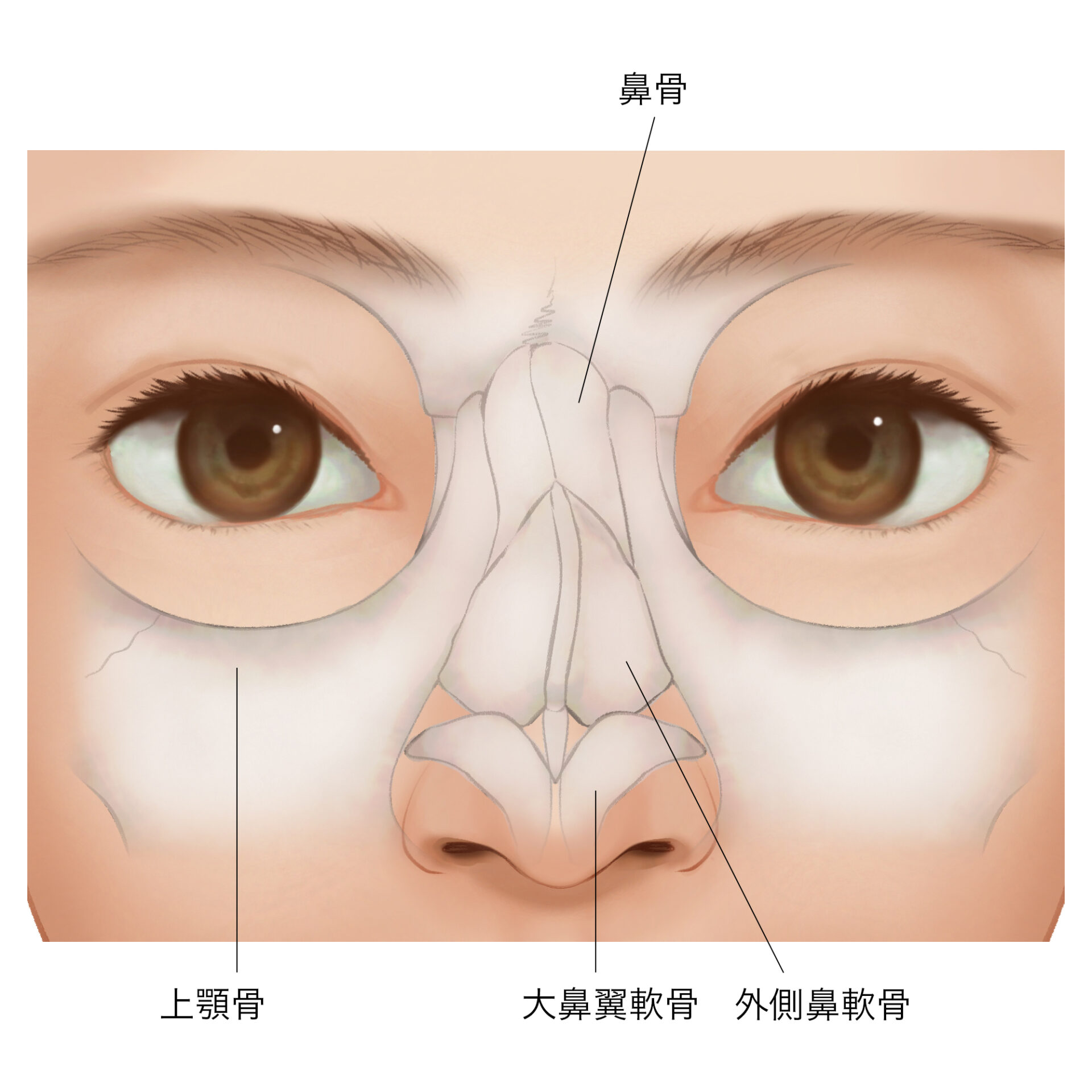
If the bone and cartilage are bent, a nasal osteotomy is performed to correct the lateral nasal cartilage, nasal wing cartilage, and nasal septal cartilage, respectively.
Cartilaginous oblique nose
Correct the lateral nasal cartilage, nasal wing cartilage, and nasal septum cartilage, respectively.
If cartilaginous plagiocele is present, transplantation of auricular cartilage or rib cartilage may be necessary.
At our clinic, we use 3D simulation software "vectra" before the surgery to show you a 3D image of the postoperative result, so you can visualize the postoperative result to some extent before the surgery.
Nasal Anatomy and Osteotomy Lines
-surgery art of war
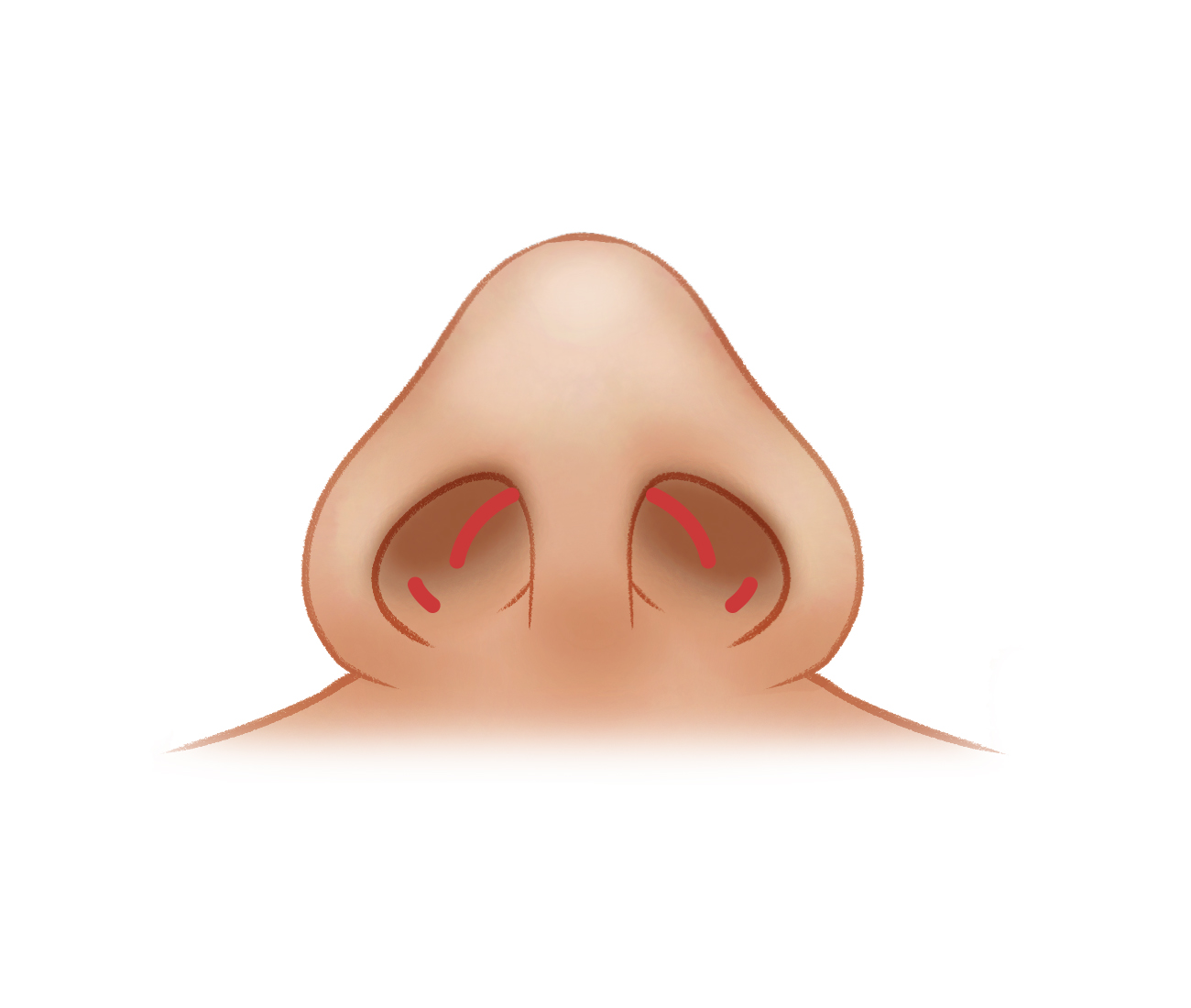
I. Incision is made through an incision in the nostril and a 2mm incision on the skin side
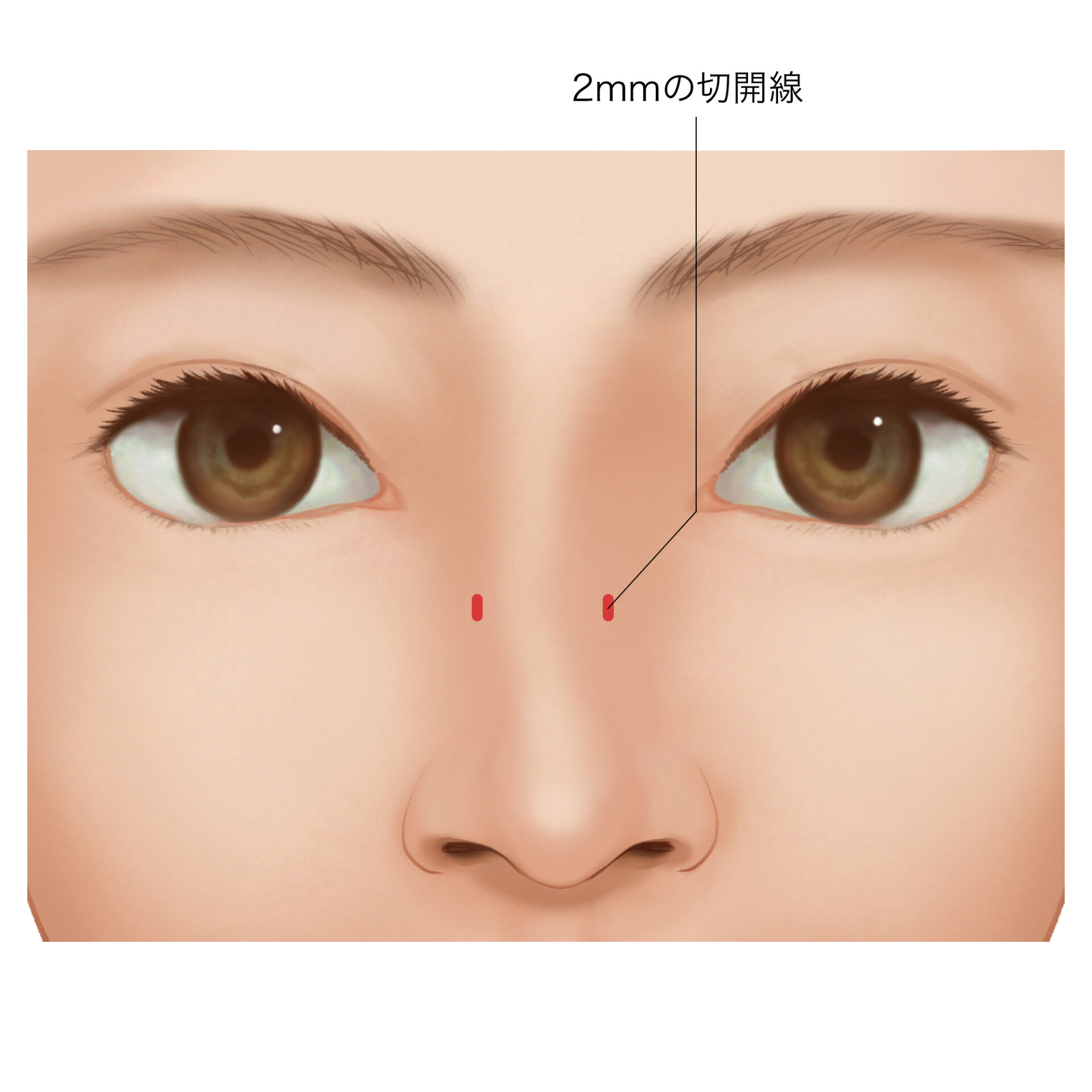
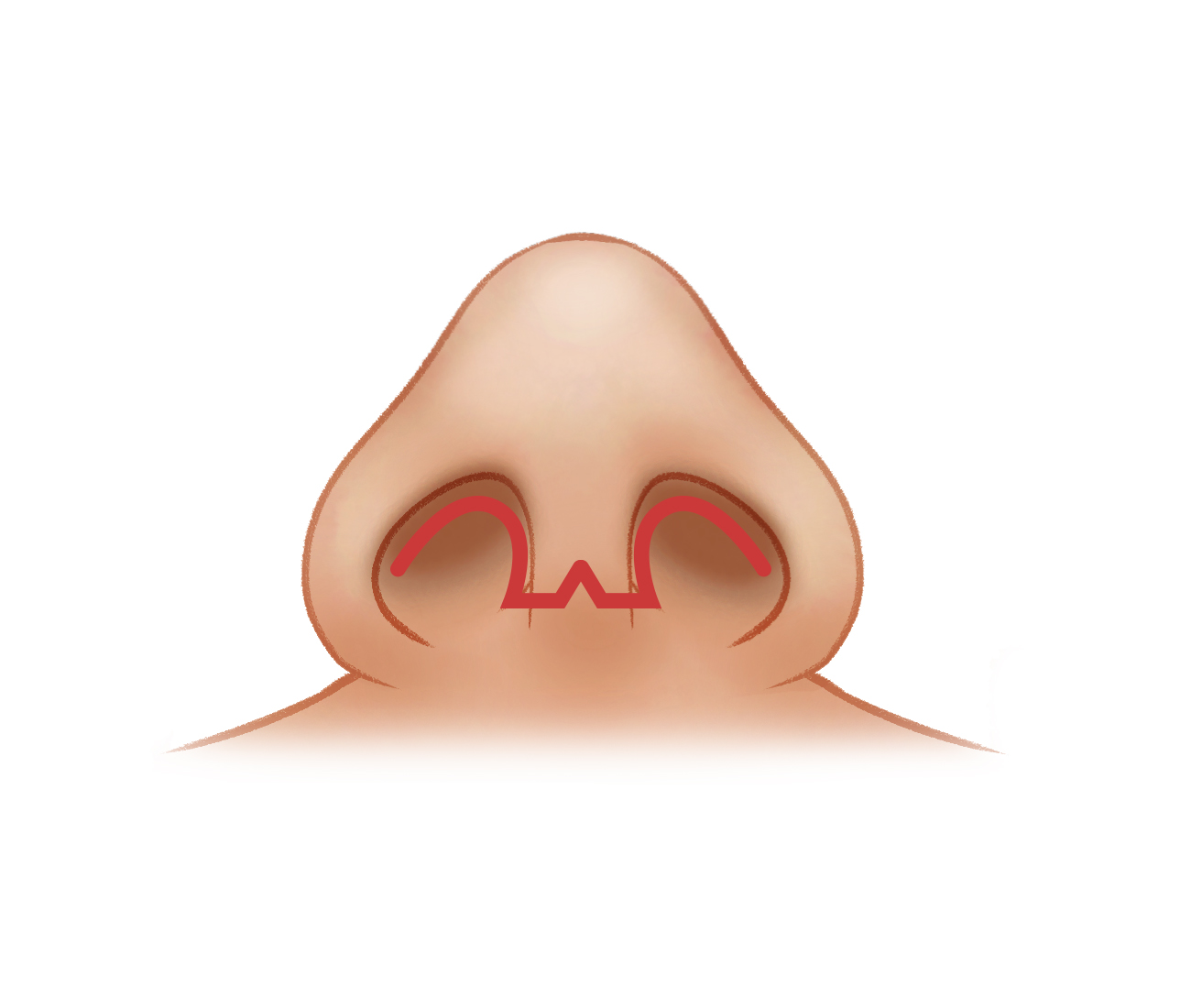
If a cartilaginous oblique nose is present, transplantation of auricular cartilage or rib cartilage may be necessary, which may be done with an open technique.

II. Osteotomy.
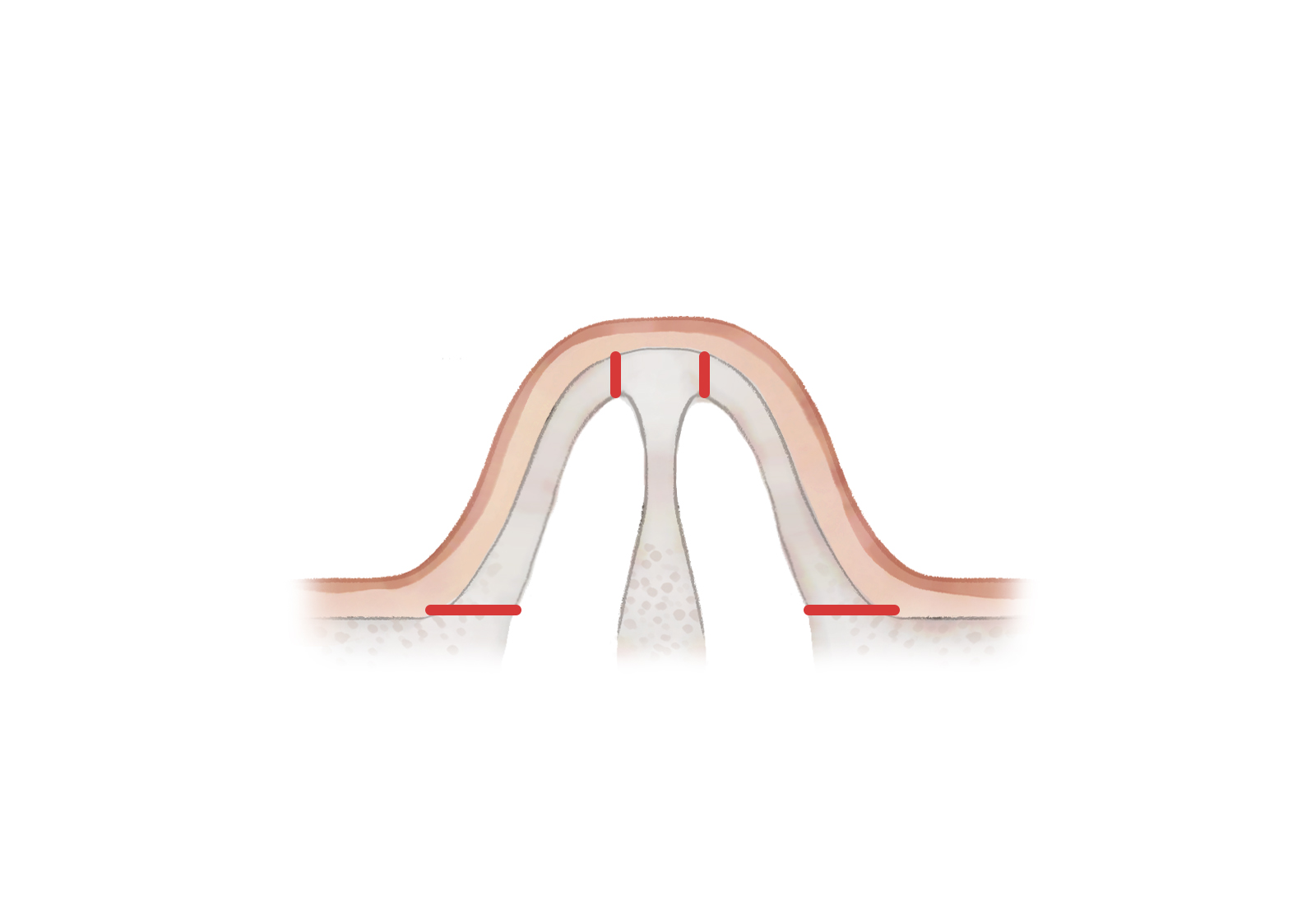
III. Osteotomy to free bone fragments of the bravura
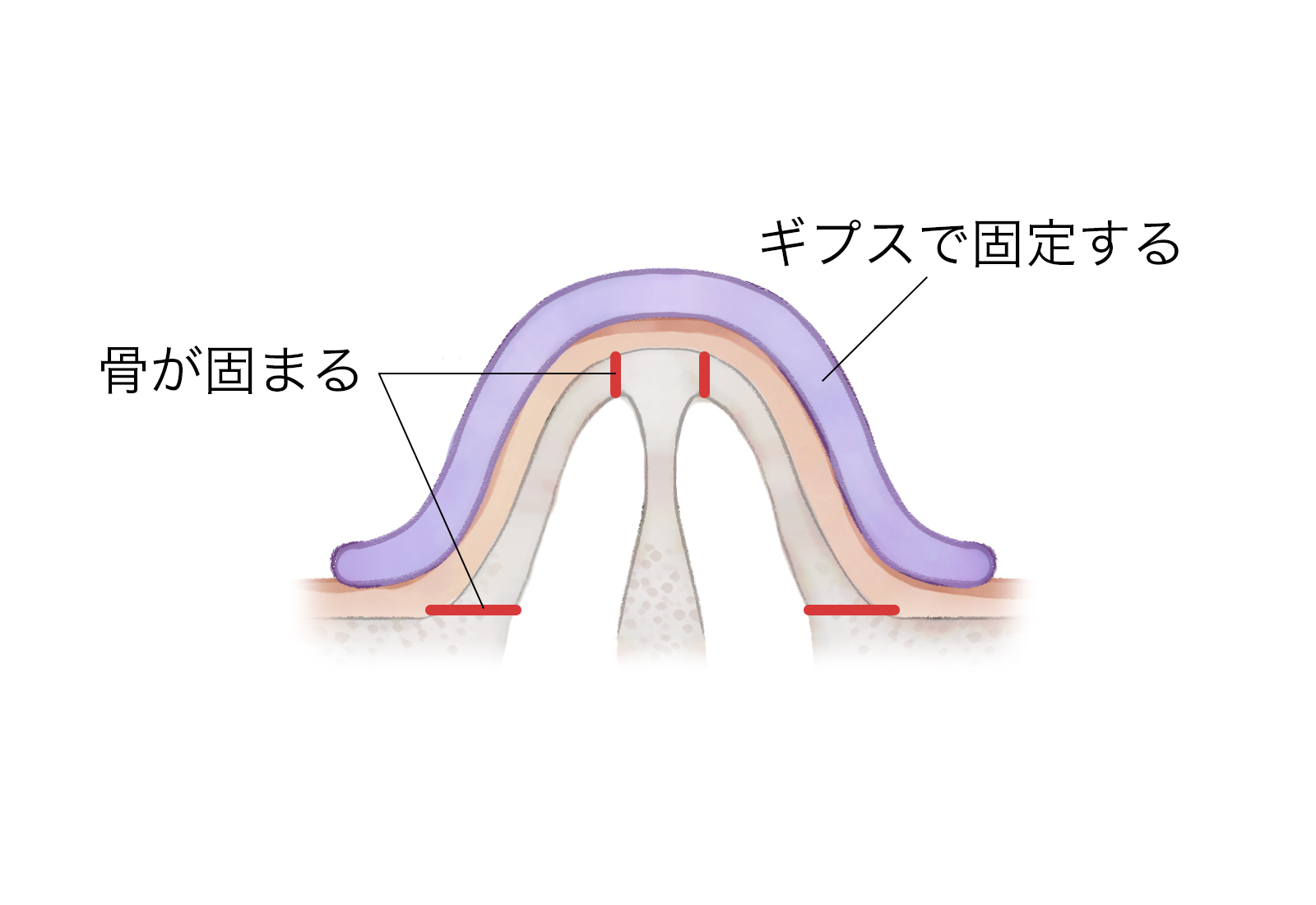
IV. Straighten and straighten the bone and immobilize it in a cast for about 2 weeks
-Image of completion Completion image
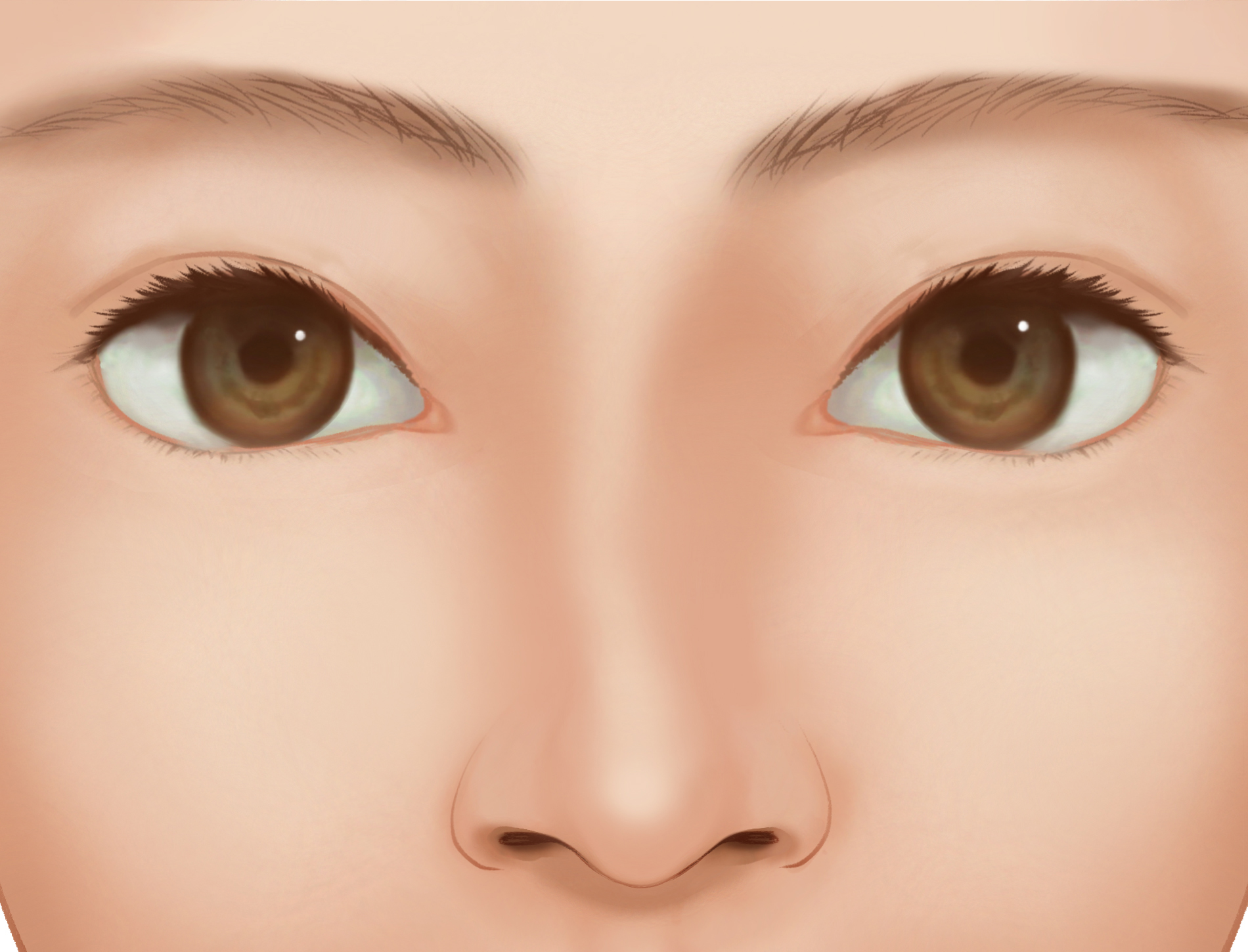
Before
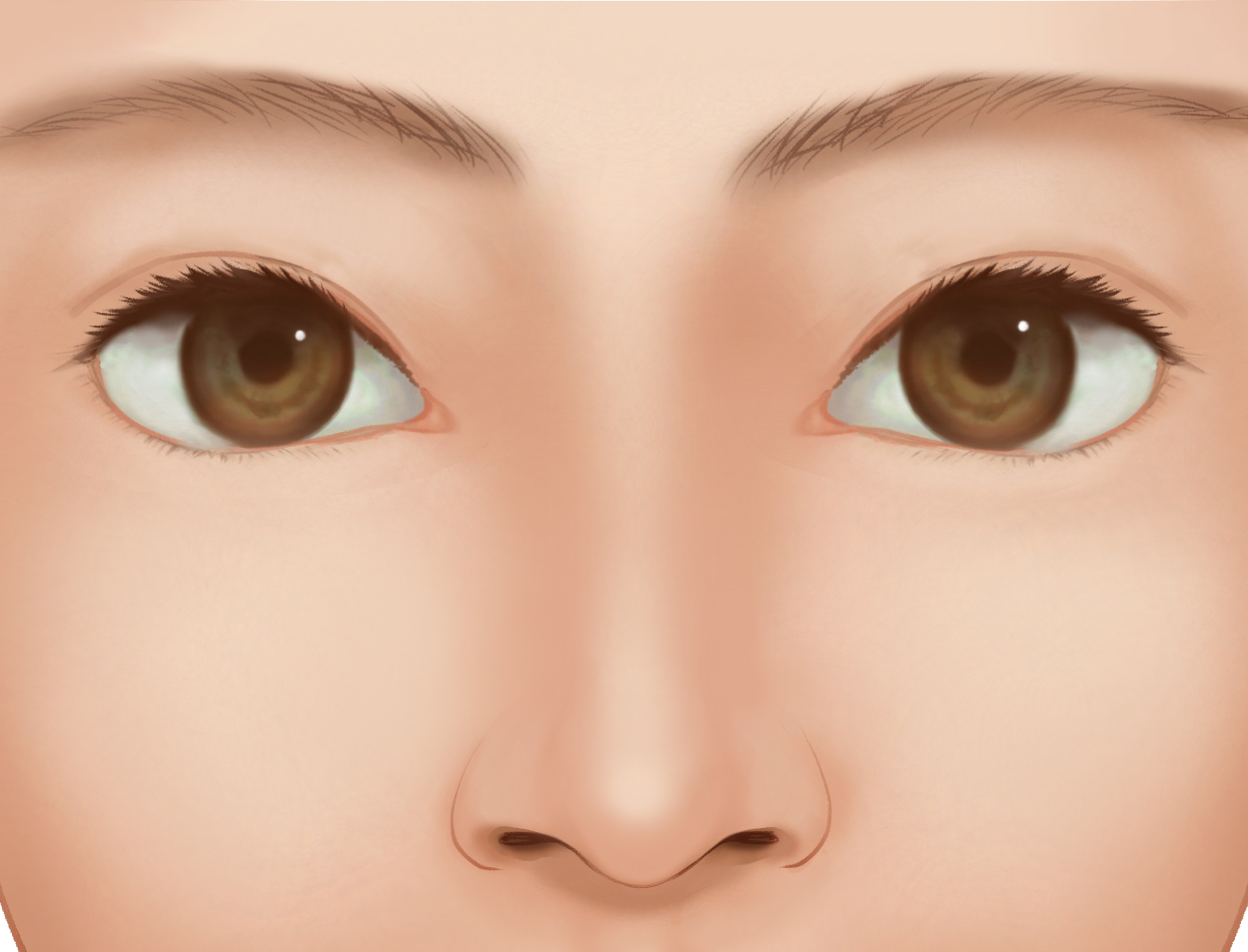
After
 Doctor's Column
 Staff Blog
 campaign
 News
News


